
Wood furniture adds warmth and character to interior spaces. However, maintaining its appearance requires proper surface preparation, high-quality finishing methods, and consistent care. Painting wooden surfaces is not only about aesthetics but also about protection against wear, moisture, and environmental damage.
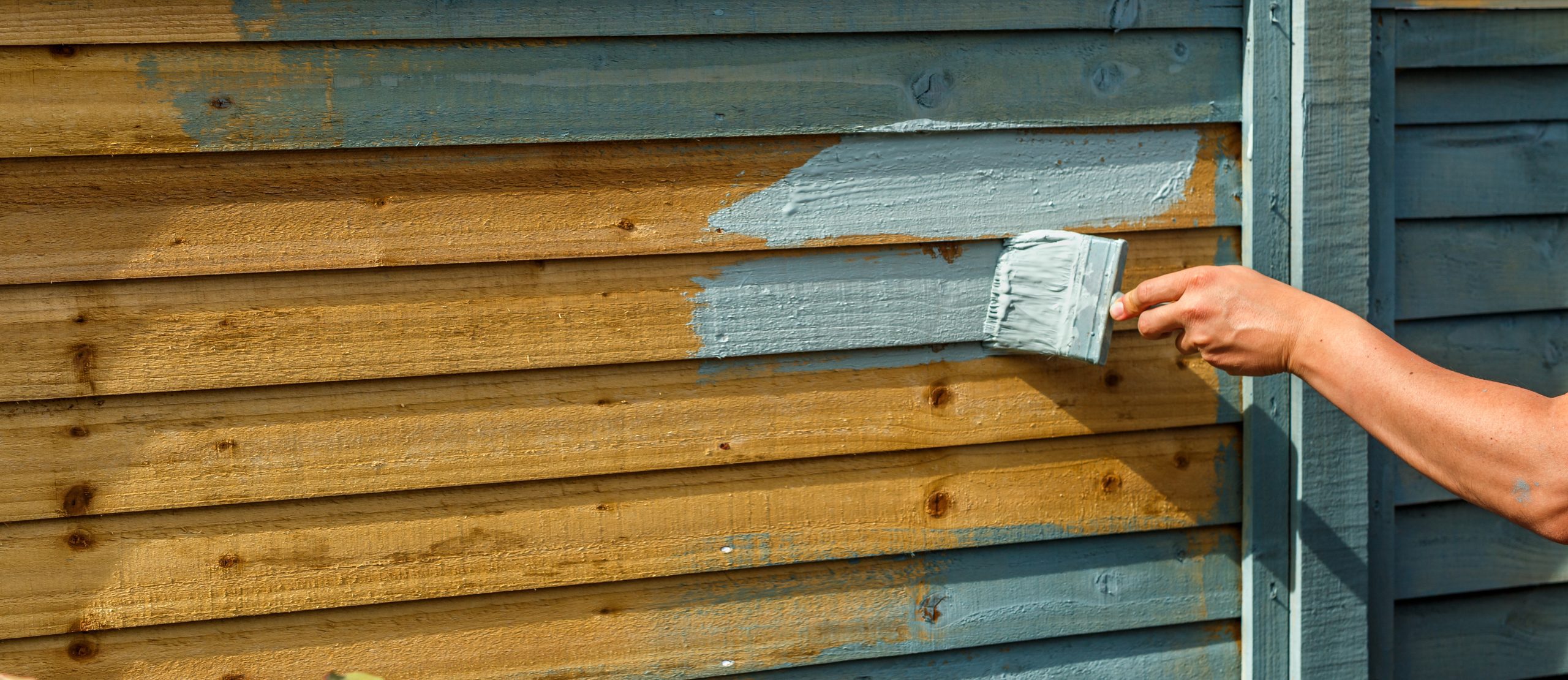
A durable finish can significantly extend the lifespan of furniture while preserving its visual appeal. Understanding painting techniques, finish types, and maintenance habits helps homeowners achieve better long-term results.
How Surface Preparation Affects the Final Appearance of Wood Paint
Surface preparation is one of the most important stages of any painting project. Even high-quality paint cannot compensate for poor preparation.
Proper preparation usually includes:
- Cleaning dust and grease
- Removing old paint layers
- Sanding uneven surfaces
- Filling cracks or holes
- Applying suitable primer
Smooth surfaces allow paint to adhere evenly and prevent peeling later.
Many people researching professional wood painter techniques discover that preparation often determines the quality of the final finish more than the paint itself.
Common Types of Paint Finishes Used for Wooden Furniture Projects
Different paint finishes create different visual effects and maintenance requirements.
Matte Finish
- Soft, non-reflective appearance
- Hides surface imperfections well
- Suitable for modern interiors
Satin Finish
- Slightly reflective surface
- Easier to clean than matte
- Popular for frequently used furniture
Gloss Finish
- Highly reflective appearance
- Durable and moisture-resistant
- Highlights surface details clearly
The choice depends on room style, lighting conditions, and furniture usage.
Why Sanding Techniques Matter Before Applying Protective Coatings
Sanding creates an even texture that helps coatings bond properly to the wood surface.
Improper sanding can lead to:
- Uneven paint coverage
- Visible scratches
- Peeling finishes
- Rough texture
Fine-grit sandpaper is commonly used for final smoothing, while coarse sandpaper removes old finishes and surface damage.
Careful sanding also improves the absorption of primers and protective coatings.
How Climate Conditions Can Impact Painted Wood Durability Indoors
Humidity and temperature fluctuations influence painted wooden surfaces over time. Excess moisture can cause swelling, cracking, or peeling.
Common environmental factors affecting wood include:
- High humidity
- Direct sunlight exposure
- Poor indoor ventilation
- Sudden temperature changes
Homes in warmer climates should prioritize moisture-resistant coatings and proper ventilation to preserve painted finishes.
Furniture placed near windows or balconies may require additional protective treatment.
The Difference Between Matte, Satin, and Gloss Paint Finishes
Each finish provides unique benefits and maintenance characteristics.
| Finish Type | Appearance | Durability | Cleaning Ease |
| Matte | Soft and smooth | Moderate | Moderate |
| Satin | Slightly reflective | Good | Easy |
| Gloss | Highly reflective | Excellent | Very easy |
Gloss finishes are often chosen for high-use surfaces, while matte finishes work well for decorative furniture.
The surrounding lighting also affects how each finish appears indoors.
Essential Maintenance Habits for Preserving Painted Wooden Surfaces
Regular maintenance keeps painted wood looking fresh for longer periods.
Helpful maintenance habits include:
- Dusting surfaces weekly
- Avoiding excessive moisture
- Using soft cleaning cloths
- Protecting surfaces from direct sunlight
- Repairing small scratches early
Gentle cleaning products are preferable because harsh chemicals may damage protective coatings.
Some homeowners also combine restoration projects with sofa repair abu dhabi work to maintain consistency across furniture pieces.
Mistakes That Can Cause Paint Peeling and Uneven Surface Coverage
Several common errors reduce paint durability and appearance.
These include:
- Skipping primer application
- Painting over dirty surfaces
- Applying thick paint layers
- Ignoring drying times
- Using incompatible products
Rushing the process often creates long-term maintenance problems. Thin, even coats generally produce better and more durable finishes.
Proper ventilation during painting also improves drying consistency.
How Color Selection Influences Interior Mood and Visual Balance
Color plays a major role in interior atmosphere. Light shades create openness, while darker tones add depth and contrast.
Popular wood paint color trends include:
- Warm neutrals
- Soft gray tones
- Earth-inspired shades
- Natural wood-inspired finishes
Color harmony between furniture, flooring, and walls improves visual balance throughout a room.
Maintaining seating furniture through services like chair repair shop near me can further support a cohesive interior appearance.
Conclusion
Painting wooden furniture requires more than choosing attractive colors. Proper preparation, careful sanding, suitable finishes, and ongoing maintenance all contribute to long-lasting results.
By understanding how materials, climate, and finishing techniques interact, homeowners can preserve both the beauty and durability of wooden surfaces for years.
FAQs
What type of paint works best for wooden furniture?
The best paint depends on the furniture type and usage, but durable moisture-resistant paints are commonly preferred.
How often should painted wood surfaces be maintained?
Regular dusting and occasional inspections help maintain painted wood year-round.
Why does paint peel from wooden furniture over time?
Poor preparation, humidity, and improper paint application are common causes of peeling.
What is the difference between glossy and matte finishes?
Gloss finishes are more reflective and durable, while matte finishes provide a softer appearance.
How can painted furniture last longer indoors?
Proper cleaning, controlled humidity, and avoiding direct sunlight help preserve painted surfaces.