
Wood painting plays an important role in protecting furniture, flooring, and decorative wooden surfaces from everyday wear. Beyond aesthetics, proper paint application helps preserve structural integrity and reduce long-term maintenance concerns. Whether applied to cabinets, flooring, or furniture, durable coatings improve both appearance and longevity.
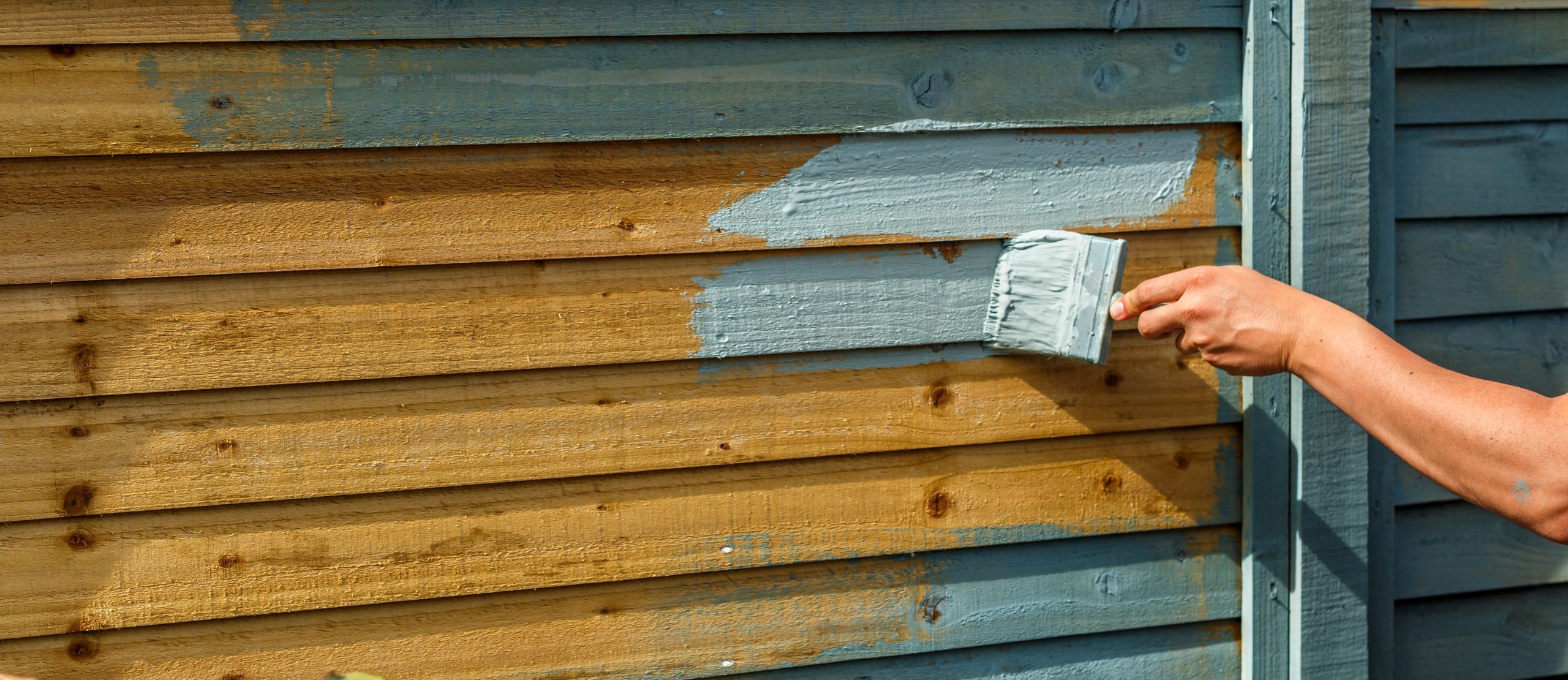
Wood surfaces naturally react to moisture, sunlight, and temperature changes. Proper painting techniques and ongoing maintenance help minimize damage while keeping interiors visually balanced and functional.
How Professional Wood Coatings Protect Furniture From Daily Wear
Wooden surfaces experience continuous friction, dust exposure, and environmental stress. Protective coatings create a barrier that reduces direct damage and preserves surface quality.
Benefits of protective coatings include:
- Resistance to scratches
- Improved moisture protection
- Easier surface cleaning
- Reduced fading from sunlight
- Better durability against daily use
Painted surfaces also become easier to maintain because smooth finishes prevent dirt from deeply penetrating the material.
Many homeowners exploring wood painting services near me seek durable finishes that balance protection with interior style.
The Importance of Choosing Weather-Resistant Paint for Wood Surfaces
Environmental conditions strongly affect painted wood durability. Moisture and heat can gradually weaken paint layers if unsuitable products are used.
Weather-resistant paints help by:
- Reducing moisture absorption
- Preventing surface cracking
- Protecting against fading
- Improving finish flexibility
- Enhancing long-term durability
These coatings are especially useful for wooden surfaces exposed to sunlight or fluctuating temperatures.
Even indoor furniture benefits from moisture-resistant finishes in humid environments.
Common Surface Problems That Appear on Poorly Painted Furniture
Improper painting techniques often create visible imperfections and shorten the lifespan of wooden surfaces.
Common paint-related issues include:
- Bubbling paint layers
- Uneven texture
- Peeling corners
- Visible brush marks
- Discoloration over time
Most of these problems result from inadequate preparation or rushing the drying process.
Careful sanding, priming, and thin paint layers help create smoother and more consistent finishes.
How Protective Sealants Improve the Lifespan of Wooden Structures
Sealants add an extra layer of protection over painted wood. They help prevent damage caused by moisture, dust, and friction.
Popular sealant advantages include:
Enhanced Moisture Resistance
Sealants reduce water penetration into wooden fibers.
Improved Surface Strength
Additional protection minimizes scratches and abrasion.
Easier Cleaning
Smooth sealed surfaces collect less dirt and dust.
Sealants are particularly valuable for heavily used furniture and flooring areas.
Understanding Different Paint Application Techniques for Smooth Finish
Application methods significantly influence the appearance of painted surfaces.
Common techniques include:
- Brush painting
- Roller application
- Spray painting
Each method offers different results depending on surface size and detail complexity.
Spray painting often creates the smoothest finish, while brushes allow more precision for decorative details.
Consistent application pressure and proper drying time are essential regardless of technique.
Ways to Maintain Painted Flooring and Wooden Decorative Features
Wooden flooring and decorative trim require regular care to preserve their appearance.
Helpful maintenance practices include:
- Cleaning spills immediately
- Using soft cleaning materials
- Avoiding abrasive chemicals
- Protecting surfaces from heavy impact
- Maintaining stable indoor humidity
Flooring maintenance becomes especially important in high-traffic areas where friction gradually affects surface coatings.
Some homeowners combine interior upgrades with carpentry flooring in dubai improvements to maintain consistency throughout the home.
Mistakes to Avoid When Refreshing Wooden Furniture and Fixtures
Several mistakes commonly reduce paint durability and overall finish quality.
These include:
- Skipping surface sanding
- Applying thick paint coats
- Ignoring primer use
- Painting dusty surfaces
- Inadequate drying time between layers
Patience during preparation and application greatly improves the final result.
Protective coverings should also be used during painting to prevent dust contamination.
Why Surface Cleaning Matters Before Any Wood Painting Process Begins
Surface cleaning removes oils, dust, and residue that may interfere with paint adhesion.
Proper cleaning helps:
- Improve coating durability
- Create smoother finishes
- Reduce peeling risk
- Ensure even paint absorption
Even minor surface contaminants can create visible imperfections after painting.
Furniture restoration projects sometimes include structural work such as repair bed frame services to improve overall durability alongside cosmetic improvements.
Conclusion
Wood painting requires careful preparation, suitable materials, and regular maintenance to achieve durable results. Protective coatings, sealants, and proper cleaning habits all contribute to preserving wooden surfaces for many years.
By understanding how environmental factors and application methods affect paint performance, homeowners can maintain both the appearance and functionality of wooden interiors.
FAQs
How can painted wood stay protected longer?
Regular cleaning, protective sealants, and moisture control help preserve painted surfaces.
What causes uneven paint texture on wood surfaces?
Poor sanding, dusty surfaces, and thick paint application commonly create uneven textures.
Why are sealants important for painted furniture?
Sealants add extra moisture and scratch protection while improving surface durability.
How should wooden flooring be maintained after painting?
Avoid harsh chemicals, clean spills quickly, and protect flooring from heavy friction.
What preparation steps are required before painting wood?
Cleaning, sanding, and primer application are essential before applying paint.