
Commercial kitchens require thoughtful planning to maintain efficiency, hygiene, and long-term functionality. Unlike residential kitchens, these environments experience constant movement, heavy equipment use, and strict cleanliness demands. Renovation projects must therefore focus on workflow optimization, material durability, and practical organization.
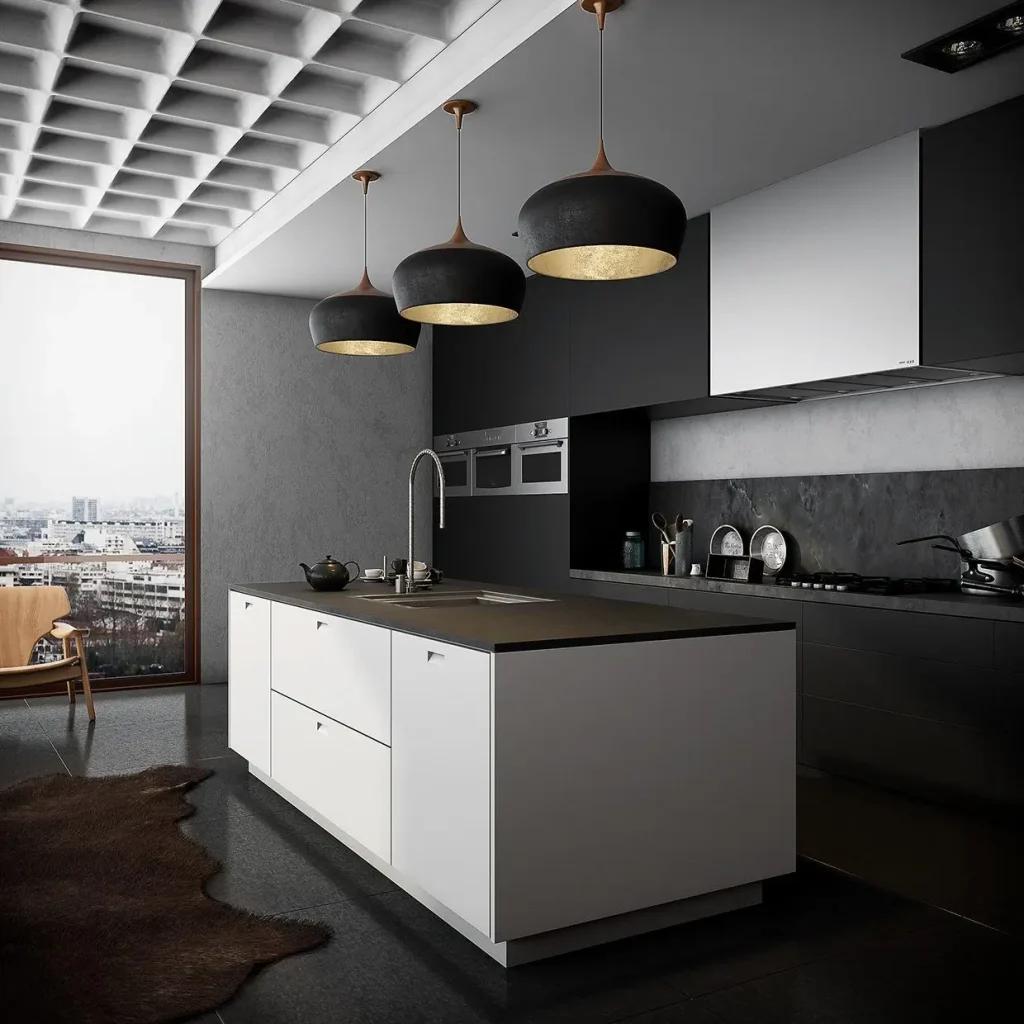
A well-designed kitchen improves daily operations and creates a safer, more organized workspace. Careful attention to layout, ventilation, flooring, and storage helps reduce operational challenges and supports smoother activity throughout busy periods.
Key Planning Elements That Improve Workflow in Busy Cooking Spaces
Workflow efficiency depends heavily on kitchen layout design. Poor organization can slow movement and create unnecessary congestion.
Effective planning usually includes:
- Logical equipment placement
- Dedicated preparation zones
- Clear movement pathways
- Accessible storage areas
- Efficient cleaning stations
Separating cooking, preparation, and cleaning zones helps minimize interruptions during daily tasks.
Many professionals researching commercial kitchen renovation strategies focus on maximizing efficiency without overcrowding the workspace.
How Ventilation Systems Affect Kitchen Hygiene and Indoor Air Quality
Ventilation plays a critical role in maintaining safe and comfortable kitchen conditions. Cooking equipment generates heat, moisture, smoke, and airborne particles that must be controlled effectively.
Proper ventilation helps:
- Reduce excess humidity
- Improve air circulation
- Minimize grease buildup
- Maintain comfortable temperatures
- Improve overall cleanliness
Poor ventilation may contribute to unpleasant odors and long-term moisture problems.
Balanced airflow also improves employee comfort during extended working hours.
The Importance of Durable Flooring in High-Traffic Kitchen Environments
Kitchen flooring experiences constant pressure from foot traffic, spills, and heavy equipment movement.
Durable flooring should provide:
- Slip resistance
- Moisture resistance
- Easy cleaning
- Impact durability
- Long-term stability
Textured surfaces are often preferred because they reduce slipping risks in wet conditions.
Flooring materials must also withstand repeated cleaning without deteriorating quickly.
Why Storage Organization Matters in Professional Food Preparation Areas
Organized storage improves workflow and reduces unnecessary movement throughout the kitchen.
Effective storage systems help:
- Separate cooking tools properly
- Improve ingredient accessibility
- Reduce clutter
- Enhance cleanliness
- Support faster preparation processes
Vertical storage solutions are especially useful in compact kitchens where floor space is limited.
Well-designed cabinetry and shelving contribute significantly to operational efficiency.
Common Layout Mistakes That Reduce Efficiency in Commercial Kitchens
Several design mistakes can negatively affect kitchen performance.
Common layout problems include:
- Narrow walkways
- Poor appliance placement
- Inadequate ventilation spacing
- Limited preparation surfaces
- Insufficient storage access
These issues may slow productivity and increase workplace stress.
Proper spacing between stations allows smoother movement and safer operation during busy hours.
How Lighting Placement Influences Visibility and Workplace Productivity
Lighting directly affects safety and efficiency in food preparation environments.
Important lighting considerations include:
Task Lighting
Provides focused illumination for food preparation and cooking.
Ambient Lighting
Creates balanced overall visibility throughout the kitchen.
Safety Lighting
Improves visibility in storage and cleaning areas.
Bright and evenly distributed lighting reduces eye strain and improves precision during detailed tasks.
Understanding Material Choices for Long-Term Kitchen Surface Durability
Kitchen materials must tolerate heat, moisture, and repeated cleaning.
Durable surface materials often include:
- Stainless steel
- Quartz countertops
- Ceramic tile
- Moisture-resistant coatings
Easy-to-clean surfaces help maintain hygiene standards while reducing maintenance effort.
Furniture seating areas in commercial environments may also benefit from durable furniture upholstery materials that resist frequent use.
Practical Maintenance Strategies for Modern Commercial Cooking Areas
Consistent maintenance helps preserve cleanliness and equipment performance.
Helpful maintenance practices include:
- Cleaning spills immediately
- Inspecting ventilation systems regularly
- Maintaining drainage systems
- Checking flooring for damage
- Organizing storage consistently
Preventive maintenance minimizes long-term operational disruptions.
Seating and waiting areas sometimes require sofa repair near me maintenance to preserve comfort and appearance in adjacent hospitality spaces.
Conclusion
Commercial kitchen renovation requires balancing efficiency, safety, durability, and organization. Every design decision influences workflow and long-term maintenance requirements.
By focusing on proper ventilation, durable materials, efficient layouts, and consistent maintenance, commercial kitchens can remain functional, organized, and easier to manage over time.
FAQs
What flooring works best in commercial kitchens?
Slip-resistant and moisture-resistant flooring materials are generally preferred for safety and durability.
Why is ventilation important in food preparation spaces?
Ventilation improves air quality, controls humidity, and reduces heat buildup.
How can kitchen layouts improve workflow efficiency?
Efficient layouts reduce unnecessary movement and improve accessibility between workstations.
What materials are easiest to maintain in busy kitchens?
Stainless steel, ceramic tile, and quartz surfaces are commonly valued for durability and easy cleaning.
How does lighting impact kitchen productivity?
Proper lighting improves visibility, reduces eye strain, and supports safer food preparation.