
Parquet flooring has remained one of the most admired flooring styles in interior design for decades. Its elegant geometric appearance, natural wood textures, and ability to suit both traditional and modern interiors make it a timeless choice for homeowners and designers alike. Unlike plain wooden floors, parquet flooring introduces visual depth and artistic character into living spaces.
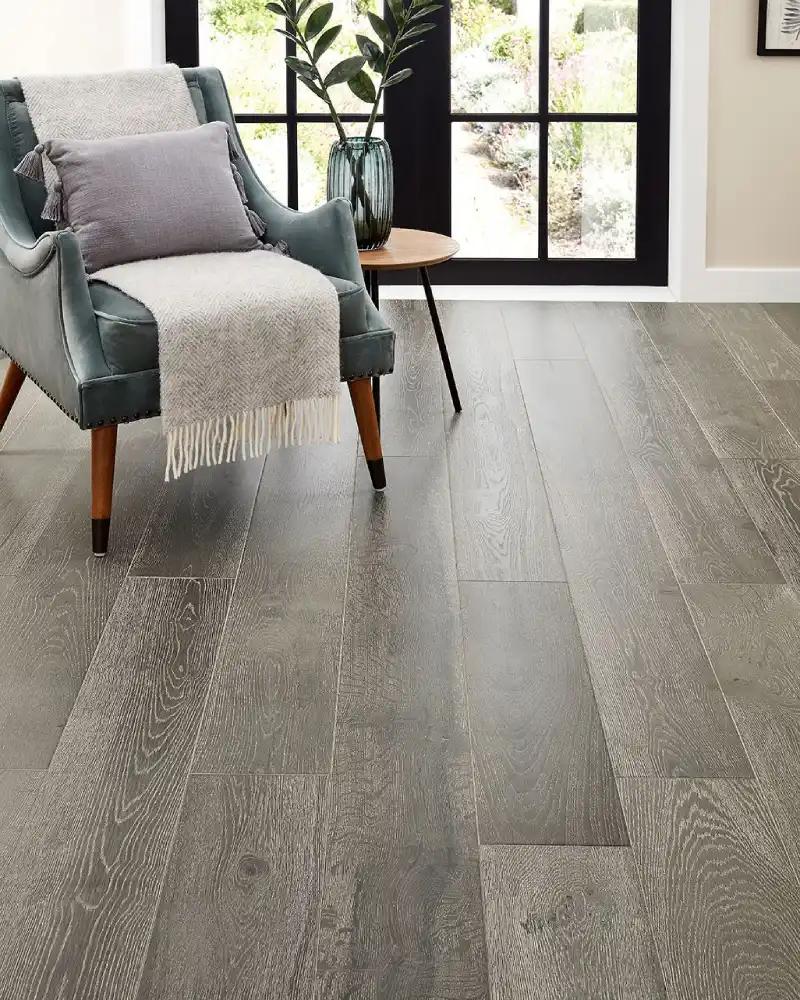
Modern interior trends continue to embrace parquet designs because they blend functionality with aesthetics. Whether used in apartments, villas, offices, or hospitality spaces, parquet surfaces can create warmth and sophistication while remaining highly versatile. Understanding the different patterns, finishes, and maintenance practices helps homeowners make informed design decisions.
Understanding How Parquet Flooring Enhances Interior Spaces
Parquet flooring adds texture, dimension, and visual movement to a room. The arrangement of wooden pieces in geometric patterns creates a distinctive appearance that immediately draws attention.
Some of the main benefits include:
- Improved visual appeal through decorative layouts
- Natural warmth compared to synthetic surfaces
- Compatibility with various furniture styles
- Ability to complement both classic and modern interiors
- Long-lasting durability when properly maintained
Many interior designers use parquet surfaces to create focal points in living rooms, dining areas, and bedrooms. The natural wood grains contribute to a welcoming atmosphere that feels both elegant and comfortable.
The Most Popular Parquet Flooring Patterns for Modern Homes
Parquet flooring comes in several popular patterns, each creating a different visual effect.
Herringbone Pattern
This classic arrangement features rectangular planks laid in a zigzag formation. It works particularly well in narrow rooms because it creates the illusion of greater width.
Chevron Pattern
Chevron layouts use angled plank ends to create a continuous V-shaped appearance. This design is often associated with luxury interiors and contemporary spaces.
Basket Weave Pattern
Basket weave parquet uses square arrangements that resemble woven textures. It adds a traditional touch while maintaining elegance.
Versailles Pattern
Inspired by European palace interiors, this intricate design combines multiple geometric shapes into decorative panels.
Choosing the right pattern depends on room size, lighting conditions, and the desired interior style.
Key Differences Between Traditional and Contemporary Floor Layouts
Traditional parquet styles usually feature darker wood tones, complex patterns, and classic finishes. Contemporary layouts often use lighter woods, wider planks, and simpler geometric arrangements.
Modern interiors tend to prioritize:
- Minimalist patterns
- Neutral wood tones
- Matte finishes
- Seamless room transitions
- Open-space compatibility
Traditional designs, on the other hand, emphasize decorative craftsmanship and visual richness.
In many modern renovation projects, parquet flooring is paired with textured wall materials such as spc wall cladding to create layered interior aesthetics.
How Wood Finishes Influence the Appearance of Parquet Floors
Wood finishes play a major role in determining the overall appearance and performance of parquet flooring.
Matte Finishes
Matte finishes create a soft and natural look while reducing glare. They are especially popular in contemporary interiors.
Gloss Finishes
Gloss surfaces reflect more light and create a luxurious appearance. However, they may show scratches and dust more easily.
Oil Finishes
Oil treatments penetrate the wood and enhance natural grain textures. They also simplify spot repairs.
Brushed Finishes
Brushed wood surfaces emphasize texture and create a rustic appearance.
Selecting the correct finish depends on maintenance preferences, room lighting, and desired aesthetics.
Important Maintenance Tips for Long-Lasting Wooden Flooring
Maintaining parquet flooring properly helps preserve its appearance and structural integrity for many years.
Essential maintenance practices include:
- Sweeping regularly to remove dust and debris
- Avoiding excessive moisture exposure
- Using protective pads under furniture
- Cleaning spills immediately
- Applying suitable wood-safe cleaning products
Humidity control also plays an important role in preventing expansion or shrinkage of wooden planks.
Common Mistakes to Avoid When Choosing Flooring Materials
Many homeowners make avoidable mistakes when selecting flooring for their interiors.
Some common issues include:
- Ignoring room humidity levels
- Choosing patterns unsuitable for room size
- Overlooking maintenance requirements
- Using incompatible cleaning products
- Focusing only on appearance rather than durability
Careful planning helps ensure flooring choices remain practical as well as visually appealing.
Why Layered Flooring Systems Are Becoming More Popular Indoors
Layered flooring systems combine multiple materials to improve performance and design flexibility. Engineered wood structures provide increased stability while maintaining the appearance of natural timber.
These systems often offer:
- Better resistance to humidity changes
- Improved structural durability
- Easier installation methods
- Greater compatibility with underfloor heating
Innovative surfaces such as resin flooring dubai solutions are also gaining popularity in contemporary interiors because of their seamless appearance and low-maintenance qualities.
Design Ideas for Combining Decorative Flooring With Wall Features
Successful interior design often involves balancing floor and wall textures.
Some effective combinations include:
- Light parquet floors with neutral textured walls
- Dark wood floors paired with minimalist white surfaces
- Geometric flooring with simple furniture layouts
- Natural wood tones combined with stone-inspired accents
Layering textures carefully prevents interiors from feeling visually overwhelming.
Conclusion
Parquet flooring remains a timeless solution for homeowners seeking both elegance and functionality. With a wide variety of patterns, finishes, and layout options available, parquet surfaces can adapt to nearly every interior style. Understanding maintenance needs, design principles, and modern material combinations allows homeowners to create durable and visually balanced spaces.
FAQs
What makes parquet flooring different from standard wood floors?
Parquet flooring uses decorative geometric patterns created from small wood pieces, while standard wood floors typically use straight plank installations.
Which parquet patterns work best in small rooms?
Herringbone and chevron patterns often work well because they create visual movement and can make rooms appear larger.
How often should parquet flooring be maintained?
Regular sweeping and periodic deep cleaning are recommended, while refinishing may be needed every several years depending on wear.
Can parquet flooring match modern interior styles?
Yes, modern parquet layouts often use lighter wood tones and minimalist geometric designs suitable for contemporary interiors.
What are the advantages of decorative wall cladding indoors?
Decorative wall cladding can improve texture, visual interest, insulation, and overall interior aesthetics.