
PVC wall panels have become increasingly popular in modern interior design because they offer durability, versatility, and low maintenance. These decorative surfaces are widely used in residential and commercial spaces where practicality and aesthetics are equally important.
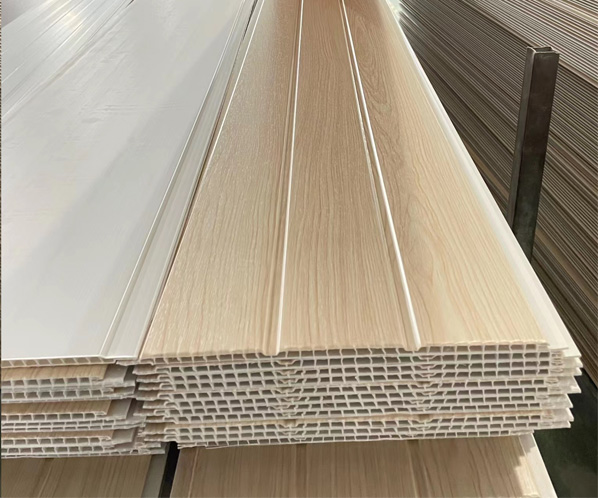
Unlike traditional painted walls, PVC panels provide moisture resistance and easier cleaning while allowing designers to experiment with textures, colors, and finishes. As modern interiors continue evolving toward functional and minimalist layouts, wall panel systems have gained strong relevance.
Why PVC Wall Panels Are Popular in Contemporary Home Design
PVC wall panels provide a combination of visual appeal and practical performance. Their smooth surfaces and variety of finishes allow them to fit many design styles.
Some reasons for their popularity include:
- Resistance to moisture and humidity
- Easy installation processes
- Lightweight construction
- Low maintenance requirements
- Wide range of decorative styles
Many homeowners use pvc wall panels in bathrooms, kitchens, and living rooms because they simplify cleaning and improve wall protection.
Different Types of Decorative Wall Panels for Interior Applications
Modern wall panels are available in multiple styles and textures.
Matte Panels
Matte surfaces create a soft and understated appearance suitable for minimalist interiors.
Glossy Panels
Gloss finishes reflect light and can help brighten smaller rooms.
Textured Panels
Textured surfaces imitate materials such as wood, stone, or fabric for added visual depth.
Printed Decorative Panels
These panels feature custom patterns or artistic designs that create statement walls.
Choosing the right panel depends on room functionality and desired visual effects.
How Moisture Resistance Improves Long-Term Wall Durability
Moisture is one of the leading causes of wall damage in residential spaces. Traditional painted walls may develop mold, peeling paint, or stains over time.
PVC wall systems help reduce these issues by creating protective barriers against humidity.
Advantages include:
- Reduced water absorption
- Easier cleaning after spills
- Better mold resistance
- Improved durability in humid rooms
- Lower maintenance demands
These features make PVC particularly suitable for bathrooms, kitchens, and laundry areas.
Important Cleaning and Maintenance Tips for Indoor Wall Surfaces
Maintaining decorative wall panels is relatively straightforward.
Important maintenance practices include:
- Cleaning surfaces regularly with soft cloths
- Avoiding abrasive cleaning chemicals
- Removing stains quickly
- Inspecting joints and edges periodically
- Preventing sharp object damage
Unlike traditional painted walls, many modern panels do not require repainting or refinishing.
Common Design Mistakes to Avoid When Installing Wall Panels
Improper design planning can reduce the effectiveness of decorative wall systems.
Some common mistakes include:
- Overusing highly reflective finishes
- Choosing patterns that overwhelm small rooms
- Ignoring lighting conditions
- Using incompatible textures together
- Poor panel alignment during installation
Balanced design choices help maintain visual harmony throughout the interior.
How Waterproof Materials Improve Functional Living Spaces
Waterproof materials play a major role in improving indoor functionality.
Modern surfaces such as spf flooring systems are also valued for their water-resistant properties, making them suitable companions for decorative wall panels in moisture-prone spaces.
Water-resistant materials contribute to:
- Easier cleaning routines
- Improved durability
- Better hygiene conditions
- Reduced maintenance costs
- Longer-lasting interior finishes
Creative Wall Panel Styling Ideas for Minimalist Interiors
Minimalist interiors often rely on texture rather than excessive decoration.
Popular styling ideas include:
- Neutral-toned wall panels with wooden furniture
- Vertical panel arrangements for visual height
- Stone-inspired textures for modern aesthetics
- Accent walls combined with soft lighting
- Mixed matte and textured finishes
These combinations help create clean and visually balanced spaces.
Comparing Decorative Surface Materials for Modern Renovations
Different surface materials offer varying benefits depending on the intended use.
For example:
- PVC panels prioritize moisture resistance and low maintenance
- Wooden cladding provides natural warmth
- Stone surfaces add luxury and texture
- Composite materials improve durability
Outdoor materials such as outdoor terrazzo tiles are also increasingly appreciated for their weather resistance and decorative qualities.
Conclusion
PVC wall panels continue to gain popularity because they combine durability, practicality, and design flexibility. Their moisture resistance, easy maintenance, and decorative versatility make them highly suitable for modern living spaces. With proper design planning and thoughtful material combinations, wall panels can significantly enhance interior aesthetics and functionality.
FAQs
Are PVC wall panels suitable for humid environments?
Yes, PVC panels are highly resistant to moisture, making them suitable for bathrooms, kitchens, and laundry areas.
What are the main benefits of wall panel systems?
They provide easier maintenance, decorative flexibility, improved durability, and moisture protection.
How do wall panels affect room insulation?
Some wall panel systems can improve thermal and sound insulation depending on their construction.
Can decorative panels be used in kitchens and bathrooms?
Yes, waterproof wall panels are commonly used in areas exposed to moisture.
What flooring materials work well with wall panel interiors?
Water-resistant flooring systems and natural wood-inspired surfaces often complement decorative wall panels effectively.