
Healthcare environments require flooring systems that prioritize hygiene, safety, durability, and ease of maintenance. Hospitals, clinics, laboratories, and medical facilities experience constant foot traffic, equipment movement, and exposure to spills, making flooring performance especially important.
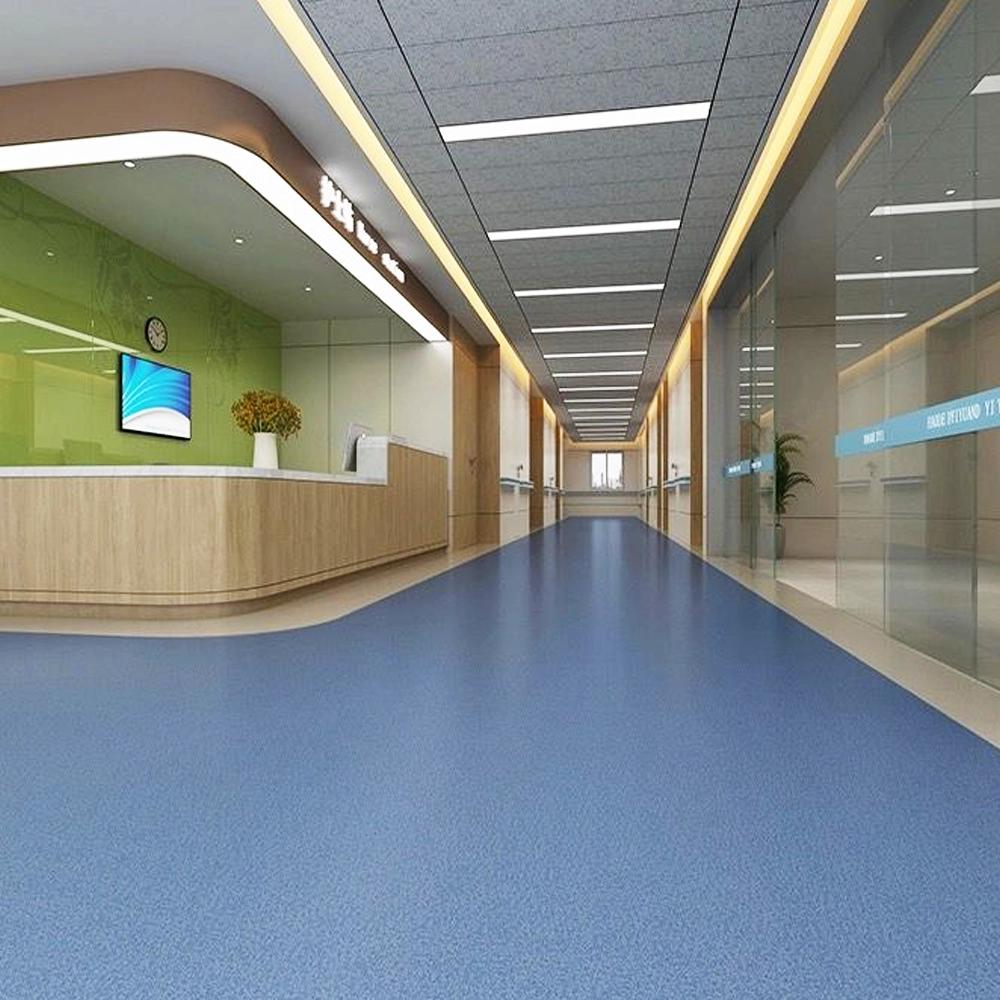
Modern healthcare flooring solutions are designed not only for functionality but also for patient comfort and operational efficiency. Understanding the requirements of medical flooring helps facility managers and designers make informed decisions.
Why Specialized Flooring Is Essential in Healthcare Facilities
Hospital environments demand flooring materials capable of supporting strict hygiene and safety standards.
Key requirements include:
- Slip resistance
- Easy sanitation
- Durability under heavy traffic
- Chemical resistance
- Noise reduction capabilities
Many healthcare facilities rely on hospital flooring dubai solutions because they help maintain clean and safe environments while supporting long-term operational efficiency.
Understanding Slip Resistance Standards for Medical Environments
Slip resistance is one of the most critical factors in healthcare flooring.
Hospitals frequently experience:
- Liquid spills
- Fast-moving staff activity
- Wheelchair movement
- Equipment transportation
- Emergency situations
Textured and slip-resistant surfaces help reduce accident risks while improving mobility throughout the facility.
How Seamless Flooring Improves Hospital Hygiene and Safety
Seamless flooring systems minimize joints and gaps where dirt, bacteria, and moisture can accumulate.
Benefits include:
- Easier cleaning procedures
- Reduced microbial growth
- Improved sanitation efficiency
- Better moisture resistance
- Enhanced durability
Seamless designs are particularly important in operating rooms, laboratories, and intensive care units.
Important Flooring Features Required for High-Traffic Healthcare Areas
Healthcare facilities require flooring capable of handling constant use.
Important performance characteristics include:
- Impact resistance
- Scratch resistance
- Stain resistance
- Easy maintenance
- Acoustic performance
Corridors, waiting rooms, and emergency departments especially benefit from durable surfaces.
Comparing Different Surface Materials Used in Medical Buildings
Several flooring materials are commonly used in healthcare spaces.
Vinyl Flooring
Vinyl surfaces are valued for hygiene, comfort, and moisture resistance.
Rubber Flooring
Rubber flooring provides excellent shock absorption and noise reduction.
Epoxy Surfaces
Epoxy creates seamless and highly durable flooring systems.
Composite Flooring Systems
Composite materials combine durability with design flexibility.
Modern spc flooring in dubai installations are increasingly appreciated because they combine durability with water resistance and low maintenance.
Maintenance Practices That Support Cleaner Healthcare Facilities
Regular maintenance is essential for preserving hygiene standards.
Recommended practices include:
- Daily sanitization routines
- Immediate spill removal
- Scheduled deep cleaning
- Monitoring surface wear
- Using healthcare-approved cleaning products
Preventive maintenance helps extend flooring lifespan while maintaining safe conditions.
Common Flooring Challenges Found in Hospitals and Clinics
Healthcare environments face unique flooring challenges.
Common issues include:
- Heavy equipment damage
- Moisture exposure
- Chemical spills
- High foot traffic
- Frequent cleaning cycles
Selecting appropriate materials helps reduce maintenance complexity and operational disruptions.
How Durable Flooring Supports Long-Term Facility Performance
Durable flooring contributes significantly to operational efficiency.
Long-lasting flooring systems help:
- Reduce repair frequency
- Improve safety consistency
- Maintain visual cleanliness
- Support infection control efforts
- Enhance patient comfort
Decorative and resilient surfaces such as terrazzo tile installations are also valued in healthcare settings for their durability and easy maintenance.
Conclusion
Healthcare flooring plays a major role in maintaining safe, hygienic, and efficient medical environments. From slip resistance to seamless sanitation-friendly surfaces, specialized flooring systems support both patient care and operational performance. Careful material selection and proper maintenance practices help healthcare facilities maintain long-term functionality and cleanliness.
FAQs
What flooring materials are commonly used in hospitals?
Vinyl, rubber, epoxy, and composite flooring systems are among the most common healthcare flooring materials.
Why is slip resistance important in healthcare settings?
Slip resistance helps reduce accidents involving staff, patients, and visitors.
How does flooring affect hospital cleanliness?
Seamless and easy-to-clean flooring systems improve sanitation and reduce bacterial accumulation.
What makes healthcare flooring different from residential flooring?
Healthcare flooring prioritizes hygiene, durability, chemical resistance, and safety under heavy use.
Can modern flooring systems reduce maintenance requirements?
Yes, many modern healthcare flooring materials are designed for easier cleaning and long-term durability.