
Healthcare facilities require flooring materials that support hygiene, durability, and safety. Hospital environments experience constant foot traffic, movement of medical equipment, and strict sanitation procedures. Because of these demands, flooring plays a significant role in maintaining cleanliness and operational efficiency.
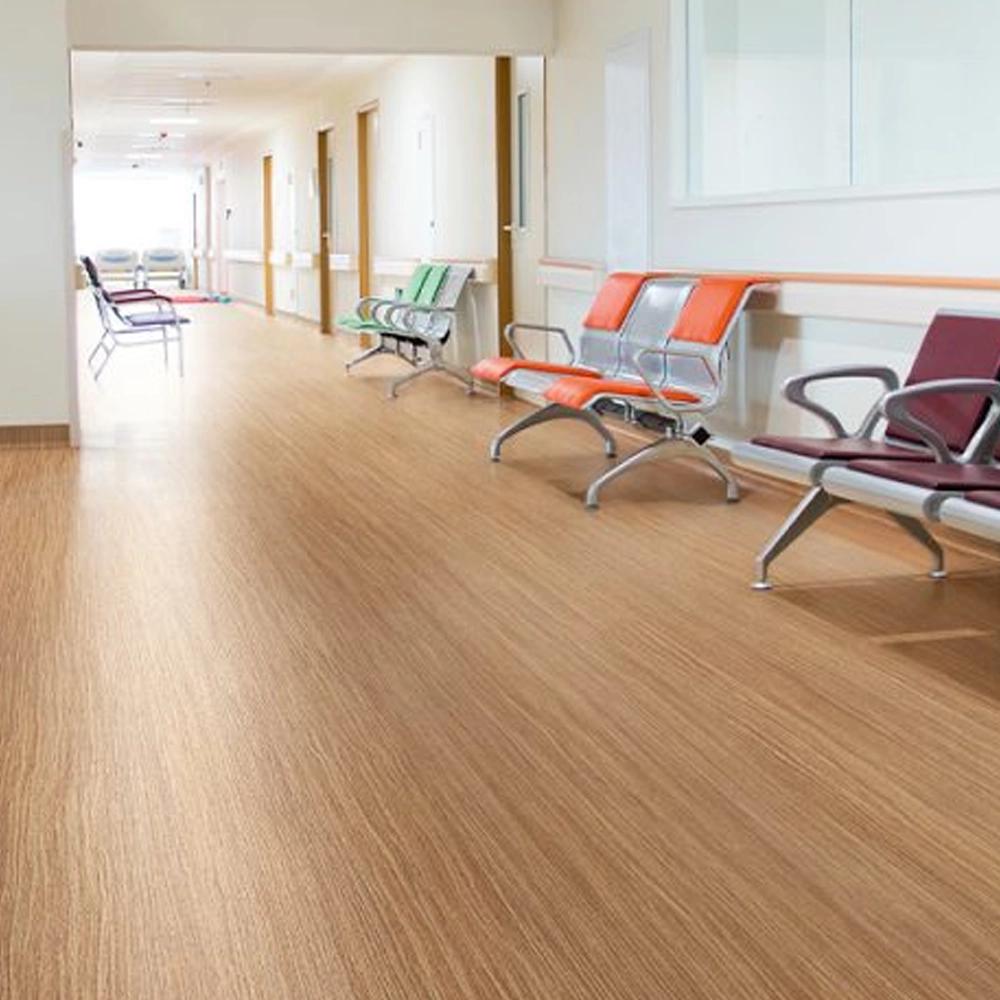
Vinyl flooring has become one of the most widely used solutions in healthcare interiors due to its practical features and adaptability. It offers smooth surfaces, easier maintenance, and strong resistance to wear, making it suitable for modern medical facilities.
Why Vinyl Flooring Is Commonly Used in Healthcare Environments Today
Healthcare spaces prioritize hygiene and functionality above decorative trends. Vinyl flooring supports these goals because it creates seamless, easy-to-clean surfaces that help reduce contamination risks.
Many hospitals and clinics choose hospital vinyl flooring dubai because it combines durability with low-maintenance performance in high-traffic areas.
Additional reasons for its popularity include:
- Resistance to stains and moisture
- Slip-resistant surface options
- Reduced dust accumulation
- Comfortable walking surfaces
- Long-lasting structural performance
These features help healthcare facilities maintain cleaner and safer environments.
Key Hygiene and Safety Features of Hospital Vinyl Flooring Materials
Hospital flooring must meet strict hygiene standards. Vinyl surfaces are often designed to minimize gaps and seams where bacteria or dirt may collect.
Important hygiene-related features include:
- Smooth non-porous surfaces
- Easy disinfection compatibility
- Moisture resistance
- Reduced microbial growth potential
- Seamless installation methods
Safety also remains essential in healthcare settings. Slip-resistant textures help reduce the risk of accidents for both patients and staff.
Slip Resistance Benefits of Vinyl Flooring in Medical Facilities
Slip resistance is particularly important in hospitals because spills and constant movement increase accident risks.
Vinyl flooring can improve safety through:
- Textured walking surfaces
- Enhanced traction in wet conditions
- Reduced slipping hazards near entrances
- Better stability for mobility equipment
- Safer movement for elderly patients
These characteristics contribute to a more secure environment for visitors, staff, and patients alike.
How Seamless Flooring Helps Improve Hospital Sanitation Standards
Seamless flooring designs are commonly preferred in healthcare environments because they reduce dirt accumulation and simplify cleaning procedures.
Advantages of seamless surfaces include:
- Fewer joints where bacteria can collect
- Easier disinfecting processes
- Improved appearance consistency
- Reduced moisture penetration
- Better durability in high-use areas
Some healthcare facilities combine smooth flooring systems with materials such as spc vinyl plank flooring in administrative or waiting areas where comfort and design are also considered important.
Important Maintenance Practices for Healthcare Vinyl Flooring Surfaces
Routine maintenance plays a major role in preserving healthcare flooring performance.
Recommended maintenance procedures include:
- Daily dust and debris removal
- Using approved disinfectants
- Immediate spill cleanup
- Avoiding abrasive cleaning tools
- Scheduled deep-cleaning routines
Consistent maintenance helps extend flooring lifespan while supporting hygiene standards required in medical environments.
Understanding Durability Requirements for Flooring in Busy Hospitals
Hospital floors endure constant pressure from wheelchairs, hospital beds, medical carts, and continuous pedestrian traffic. Flooring materials must therefore resist wear, dents, and scratches effectively.
Durability factors include:
- Impact resistance
- Surface stability
- Moisture protection
- Chemical resistance
- Structural flexibility
These characteristics ensure flooring remains functional even under demanding operational conditions.
Common Mistakes to Avoid When Selecting Medical Facility Flooring
Selecting unsuitable flooring materials can create maintenance and safety challenges in healthcare environments.
Common mistakes include:
- Ignoring slip resistance ratings
- Choosing porous materials
- Overlooking maintenance demands
- Failing to consider long-term durability
- Using flooring unsuitable for heavy equipment traffic
Proper planning and material evaluation help prevent operational problems later.
How Vinyl Flooring Supports Comfort and Noise Reduction in Hospitals
Comfort is important in healthcare interiors because patients and staff spend long periods indoors. Vinyl flooring can provide softer walking surfaces compared to harder materials like ceramic tiles.
Additional comfort-related benefits include:
- Reduced foot fatigue for healthcare workers
- Improved patient mobility comfort
- Better sound absorption
- Reduced rolling noise from equipment
Some modern healthcare interiors also incorporate decorative finishes such as epoxy painting to improve visual atmosphere while maintaining practical functionality.
Conclusion
Hospital vinyl flooring remains one of the most practical flooring solutions for healthcare environments because it supports hygiene, durability, and safety requirements. Its seamless surfaces, easy maintenance, and resistance to wear make it highly suitable for busy medical facilities.
With proper installation and maintenance, vinyl flooring can contribute significantly to cleaner, safer, and more comfortable healthcare interiors.
FAQs
Why is vinyl flooring preferred in hospitals?
Vinyl flooring is hygienic, durable, moisture-resistant, and easier to maintain than many traditional flooring materials.
Is hospital vinyl flooring resistant to bacteria and stains?
Many healthcare vinyl flooring systems are designed to resist stains and reduce bacterial accumulation through non-porous surfaces.
How is healthcare vinyl flooring maintained daily?
Daily sweeping, disinfecting, and prompt spill removal help maintain hygiene and surface durability.
What safety features are important for hospital flooring?
Slip resistance, smooth movement for medical equipment, and durability are among the most important safety features.
Does hospital flooring help reduce indoor noise levels?
Yes, vinyl flooring can absorb some sound and reduce noise generated by footsteps and rolling equipment.