
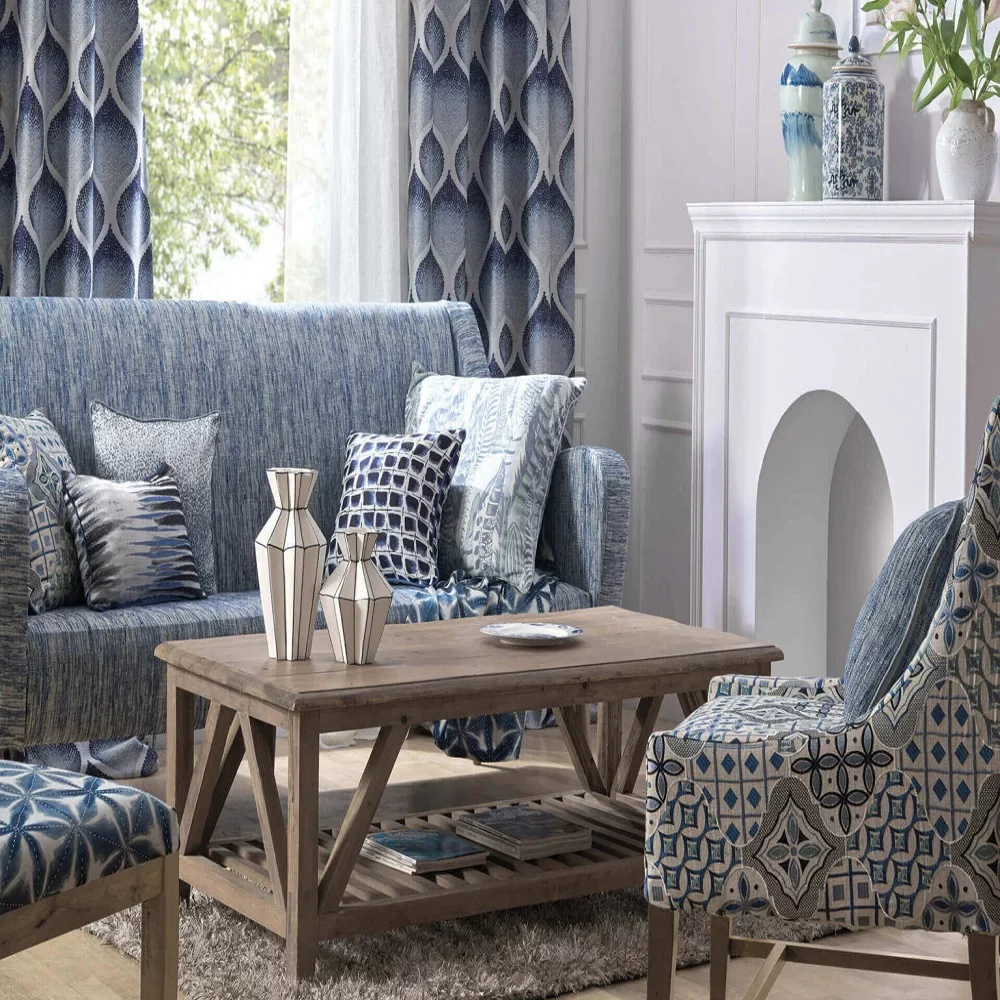
Selecting the right upholstery fabric plays a crucial role in the comfort, durability, and appearance of furniture. In a climate like the UAE, where heat, humidity, and dust are constant environmental factors, fabric choice becomes even more important. Whether for homes, offices, hospitality spaces, or commercial properties, understanding how fabric sourcing works can significantly impact long-term furniture performance.
Working with reliable upholstery fabric suppliers in uae provides access to a wide range of materials designed for both aesthetic appeal and functional durability. However, choosing the right fabric requires more than simply selecting a color or pattern. It involves understanding composition, durability ratings, environmental resistance, and application suitability.
Below is a comprehensive guide to help homeowners and businesses make informed upholstery decisions.
What Upholstery Fabric Suppliers in UAE Typically Offer to Homeowners and Businesses
Upholstery suppliers in the UAE typically provide a broad selection of fabrics suited to residential and commercial needs. These materials are designed to withstand regional climate conditions while maintaining visual appeal.
Common fabric categories include:
- Natural fibers such as cotton and linen for breathable comfort
- Synthetic materials like polyester and acrylic for durability
- Performance fabrics with stain and moisture resistance
- Leather and leather alternatives for premium applications
- Outdoor upholstery fabrics designed for UV exposure and humidity
Beyond fabric rolls, suppliers often provide:
- Fabric sampling services
- Guidance on material performance ratings
- Advice on maintenance requirements
- Recommendations based on intended furniture use
Businesses such as hotels and restaurants may prioritize durability and fire resistance, while homeowners may focus more on comfort and design aesthetics. The key is matching fabric characteristics with functional needs.
How to Evaluate Fabric Quality, Durability, and Material Composition for Different Uses
Fabric quality should always be evaluated beyond surface appearance. Several measurable indicators help determine whether a fabric will perform well over time.
1. Rub Count (Martindale or Wyzenbeek Test)
This test measures abrasion resistance. Higher rub counts indicate stronger durability:
- 10,000–15,000 rubs: Suitable for light residential use
- 15,000–25,000 rubs: Medium residential use
- 25,000+ rubs: Heavy residential or commercial use
2. Fiber Composition
Each fiber type serves a purpose:
- Cotton: Soft and breathable but may wrinkle
- Polyester: Strong and resistant to fading
- Nylon blends: Increase durability
- Acrylic: Good UV resistance
3. Weave Structure
Tight weaves generally offer greater durability. Looser weaves may feel softer but can snag or stretch over time.
Understanding these factors ensures the chosen fabric aligns with daily wear expectations and environmental conditions.
Key Differences Between Residential and Commercial Upholstery Fabric Applications
Residential and commercial upholstery requirements differ significantly in terms of durability, maintenance, and compliance standards.
Residential Applications
- Sofas, armchairs, headboards, dining chairs
- Moderate wear and controlled indoor conditions
- Greater emphasis on aesthetics and comfort
Commercial Applications
- Hotel lobby seating
- Restaurant banquettes
- Office reception furniture
- High foot traffic environments
Commercial fabrics often feature:
- Higher abrasion resistance
- Fire-retardant properties
- Stain-resistant coatings
- Reinforced backing for structural stability
Selecting fabric without considering usage type can lead to premature wear, fading, or structural issues.
Understanding Fabric Grades, Weaves, and Performance Characteristics
Fabric grading systems typically reflect cost and complexity of design rather than quality alone. However, performance features are more critical for long-term usability.
Fabric Weave Types
- Plain weave: Simple and durable
- Twill weave: Diagonal pattern, stronger structure
- Velvet weave: Soft texture but requires careful maintenance
- Jacquard weave: Complex patterns woven into fabric
Performance Characteristics to Consider
- Stain resistance
- Moisture repellency
- UV protection
- Anti-microbial treatment
- Fade resistance
In high-humidity environments, moisture-resistant backing helps prevent mold or odor retention. Understanding these properties ensures furniture longevity.
When to Consider Professional Sofa Repair Instead of Replacement
Furniture does not always require full replacement when signs of wear appear. Structural frames often remain strong even when upholstery deteriorates.
Situations where repair may be more appropriate:
- Fabric tearing but stable frame
- Cushion sagging with intact springs
- Minor water or stain damage
- Faded upholstery but functional furniture
Seeking professional evaluation through services like sofa repair in abu dhabi can help determine whether reupholstering or structural repair is feasible. Repair allows homeowners to maintain sentimental or custom-made pieces while upgrading fabric quality.
Benefits of repair include:
- Reduced material waste
- Extended furniture lifespan
- Opportunity to upgrade to performance fabrics
How Professional Upholstery Services Improve Furniture Longevity
Professional upholstery work goes beyond replacing outer fabric. It often includes:
- Replacing foam padding
- Reinforcing internal webbing
- Repairing wooden frames
- Installing upgraded cushioning materials
Engaging experienced providers such as upholstery services dubai ensures correct fabric tension, seam alignment, and structural integrity. Improper installation can cause uneven wear, wrinkles, or weakened seams.
Professional reupholstery can:
- Enhance comfort with high-density foam
- Improve support with modern spring systems
- Increase durability using reinforced stitching
- Refresh outdated designs while preserving structure
Proper craftsmanship significantly influences how long upholstered furniture lasts.
Common Mistakes to Avoid When Selecting Upholstery Fabrics in the UAE Climate
Climate plays a significant role in upholstery performance. Several common mistakes can shorten furniture lifespan.
1. Ignoring UV Exposure
Direct sunlight can fade fabrics quickly. Choose UV-resistant materials for rooms with large windows.
2. Overlooking Humidity Effects
High humidity may cause mold growth in untreated fabrics. Moisture-resistant backing helps mitigate this issue.
3. Prioritizing Style Over Function
Light-colored fabrics may look elegant but require frequent maintenance in high-use areas.
4. Skipping Fabric Samples
Always test swatches in actual lighting conditions before making final decisions.
5. Choosing Low Abrasion Ratings
Low durability fabrics may not withstand daily use, especially in family homes or commercial spaces.
Avoiding these errors ensures furniture remains functional and visually appealing for years.
Maintenance Tips to Preserve Upholstered Furniture for Years
Proper maintenance significantly extends upholstery lifespan. Simple routine care prevents premature damage.
Weekly Care
- Vacuum using upholstery attachments
- Remove surface dust and debris
- Rotate cushions to distribute wear evenly
Monthly Care
- Spot clean stains promptly
- Inspect seams for loose threads
- Check for cushion sagging
Annual Care
- Schedule professional deep cleaning
- Inspect internal structure if needed
- Reapply fabric protection treatments if applicable
Additional maintenance strategies:
- Use armrest covers in high-contact areas
- Keep furniture away from direct sunlight
- Maintain indoor humidity levels
Preventive care reduces the need for major repairs and keeps furniture looking new.
Conclusion
Upholstery fabric selection involves more than choosing colors or patterns. It requires understanding durability ratings, fiber composition, environmental suitability, and long-term maintenance needs. In the UAE’s unique climate, fabric resilience becomes even more critical.
By evaluating quality indicators, distinguishing between residential and commercial requirements, and seeking professional guidance when needed, homeowners and businesses can make informed decisions that extend furniture lifespan. Proper fabric choice combined with skilled upholstery work ensures comfort, durability, and lasting aesthetic appeal.
FAQs
What factors should I consider when choosing upholstery fabric?
Consider abrasion resistance, fiber composition, weave type, stain resistance, UV protection, and intended usage. Climate conditions should also influence your selection.
How do I know if a fabric is suitable for high-traffic areas?
Check the rub count rating. Fabrics with 25,000 or more rubs are generally suitable for heavy residential or commercial use.
What is the difference between fabric repair and full reupholstery?
Fabric repair addresses localized damage such as tears or seams, while full reupholstery replaces the entire outer fabric and may include internal structural updates.
How often should upholstered furniture be professionally maintained?
Professional cleaning is typically recommended once per year, though high-traffic furniture may require more frequent servicing.
Which fabrics perform best in hot and humid climates?
Synthetic blends, performance fabrics, and moisture-resistant materials tend to perform better in environments with high heat and humidity, especially when UV exposure is a concern.