
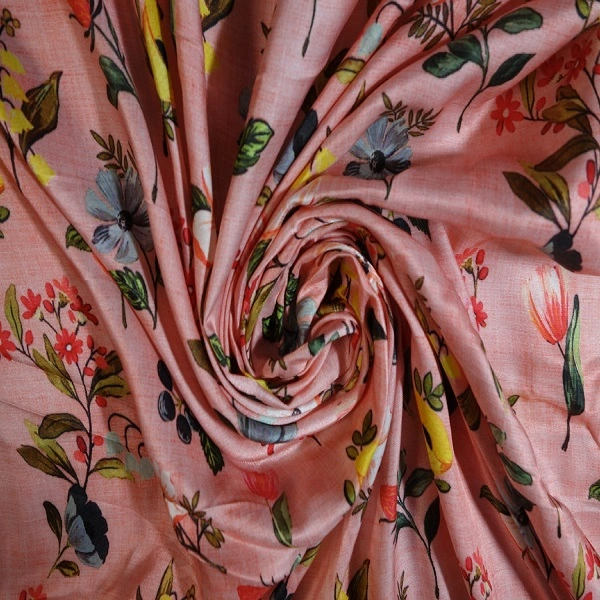
Silk upholstery fabric has long been associated with elegance, refinement, and timeless interior design. Homeowners who seek to elevate their living spaces often turn to silk for its natural sheen, soft texture, and ability to transform furniture into statement pieces. When used correctly, silk upholstery brings sophistication without overwhelming the overall décor. However, achieving the right balance requires thoughtful selection, proper placement, and an understanding of how silk performs in everyday environments. This article explores how silk upholstery fabric can be integrated into modern interiors, its advantages and limitations, and how it pairs with furniture design and finishing elements. With careful planning, silk upholstery becomes more than a luxury choice—it becomes a strategic design element that enhances visual harmony and long-term appeal.
Benefits of Using Silk Upholstery Fabric in Luxury Homes
Silk upholstery fabric offers unique aesthetic and tactile qualities that set it apart from other materials. Its natural luster reflects light beautifully, adding depth and richness to interior spaces. This makes it particularly effective in formal living rooms, accent chairs, and decorative seating areas where visual impact is essential.
Homeowners often choose silk upholstery fabric for its premium appearance and ability to elevate even simple furniture designs. Silk drapes and upholstered panels also contribute to acoustic softness and a warmer atmosphere.
Key benefits include:
- Elegant sheen that enhances lighting effects
- Smooth texture that adds sensory comfort
- Wide range of rich colors and patterns
- Strong visual association with luxury interiors
When applied strategically, silk upholstery becomes a focal point rather than an overpowering element, reinforcing the overall design narrative of high-end homes.
Comparing Silk Upholstery Fabric With Other Material Options
When compared to cotton, linen, or synthetic fabrics, silk stands out primarily for its refined appearance. While other materials may offer higher durability for heavy-use areas, silk excels in spaces designed for style and controlled use. Understanding these differences helps homeowners choose the right fabric for the right application.
Silk upholstery requires more care than synthetic alternatives, but its visual payoff is unmatched. In contrast, blended or performance fabrics prioritize durability and stain resistance. Designers often combine silk with complementary materials to achieve balance.
Many projects integrate silk alongside other upholstery fabric options to match functionality with aesthetics. This layered approach allows homeowners to enjoy silk’s beauty without sacrificing practicality in high-traffic areas.
Choosing silk is less about replacing other fabrics and more about enhancing specific spaces where elegance is the priority.
Care and Maintenance Tips for Long Lasting Silk Upholstery
Proper care is essential to preserve the beauty and lifespan of silk upholstery. Unlike heavy-duty fabrics, silk is sensitive to moisture, friction, and direct sunlight. Regular maintenance prevents fading, fraying, and texture loss.
Routine vacuuming with a soft brush attachment removes dust without damaging fibers. Spot cleaning should be done carefully using appropriate cleaning agents designed for delicate fabrics. Professional cleaning is recommended periodically to maintain appearance.
Maintenance best practices include:
- Avoiding prolonged exposure to direct sunlight
- Using arm covers or decorative throws for protection
- Addressing spills immediately with gentle blotting
- Scheduling professional cleaning when needed
With attentive care, silk upholstery retains its elegance for years, making it a worthwhile investment in refined interiors.
Best Furniture Types for Silk Upholstery Applications
Not all furniture pieces are ideal candidates for silk upholstery. Silk performs best on accent furniture rather than everyday seating. Chairs, ottomans, headboards, and decorative benches benefit most from silk’s luxurious qualities.
Formal spaces such as lounges, reception rooms, or master bedrooms provide controlled environments where silk can shine without excessive wear. Designers often recommend pairing silk upholstery with solid wood frames for structural balance.
Enhancing wooden elements through coordinated finishes, including wood painting, further elevates the overall look. This combination creates visual cohesion between fabric and furniture structure.
Selecting the right furniture ensures silk upholstery remains both beautiful and practical within its intended setting.
Combining Fabric Choices With Interior Design Themes
Silk upholstery works best when aligned with a clear interior design theme. Classic, contemporary, and transitional styles all benefit from silk when color and pattern choices are intentional. Neutral silks complement minimalist designs, while bold tones enhance traditional or eclectic interiors.
Designers often layer textures to prevent interiors from feeling flat. Pairing silk with matte finishes, natural woods, or metallic accents creates contrast and depth. This thoughtful combination ensures silk enhances rather than dominates the space.
Consistency in fabric selection across rooms also strengthens visual flow. When silk is used selectively and purposefully, it reinforces the home’s design identity and adds understated luxury.
Conclusion
Silk upholstery fabric offers unmatched elegance when used thoughtfully within interior design. Its visual richness, smooth texture, and timeless appeal make it ideal for accent furniture and refined spaces. By understanding its benefits, maintenance needs, and ideal applications, homeowners can integrate silk without compromising practicality. When paired with complementary materials and finishes, silk upholstery becomes a powerful design element that elevates interiors and reflects sophisticated taste.
FAQs
What is silk upholstery fabric used for?
Silk upholstery fabric is commonly used for accent furniture, decorative chairs, and formal seating areas.
Is silk upholstery durable for daily use?
Silk is best suited for low-traffic areas and controlled environments rather than everyday heavy use.
How do you clean silk upholstered furniture?
Gentle vacuuming and professional cleaning are recommended to protect delicate fibers.
Is silk fabric suitable for hot climates?
Yes, but it should be protected from direct sunlight to prevent fading.
Can silk upholstery be customized?
Yes, silk upholstery is available in various colors, patterns, and finishes for custom applications.