
Wooden flooring has remained one of the most admired interior elements in residential design for decades. Its natural texture, warmth, and durability make it suitable for both traditional and modern interiors. Homeowners increasingly prefer wooden flooring because it offers timeless appeal while enhancing comfort and aesthetics inside living spaces.
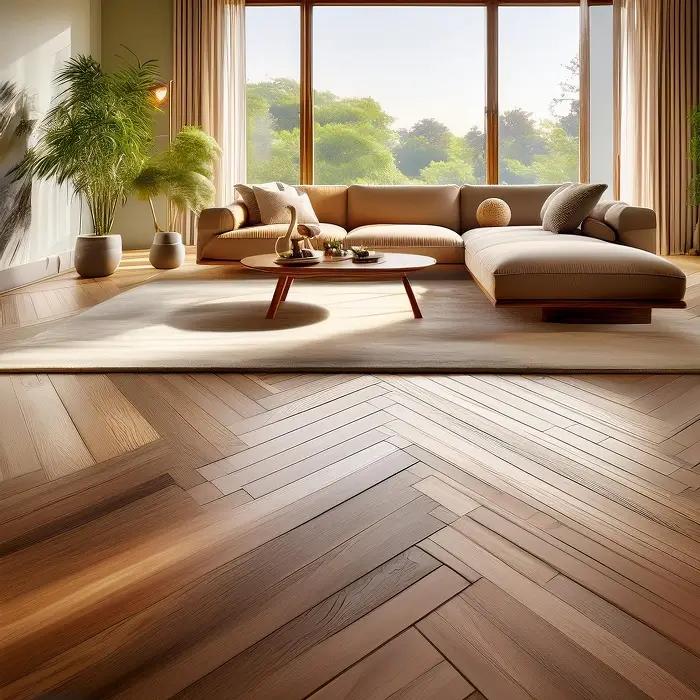
Modern homes often focus on simplicity, functionality, and natural materials. This is one reason why solid wood flooring dubai continues to attract attention among interior enthusiasts. Wooden flooring adapts easily to different styles and provides long-lasting value when properly maintained.
Understanding How Solid Wood Flooring Improves Interior Comfort and Style
Solid wood flooring creates a welcoming atmosphere through its organic appearance and natural grain patterns. Unlike synthetic surfaces, real wood introduces warmth that can soften minimalist interiors while adding depth to larger rooms.
Wood flooring also contributes to indoor comfort in several ways:
- It feels warmer underfoot compared to tiles
- It absorbs less dust than carpets
- It supports better acoustic balance
- It complements natural lighting beautifully
In addition, wood flooring works well with various furniture styles, making it easier to redesign interiors without replacing the flooring itself.
Important Differences Between Engineered and Solid Wood Flooring Materials
Many people confuse engineered flooring with solid wood flooring, but there are important distinctions between the two materials.
Solid wood flooring consists entirely of natural hardwood. Each plank is made from a single piece of timber, allowing repeated sanding and refinishing over time.
Engineered wood flooring, on the other hand, includes multiple layers bonded together with a hardwood veneer on top. While engineered flooring offers stability, solid wood provides unmatched authenticity and longevity.
Key differences include:
- Thickness and durability
- Lifespan and refinishing capability
- Moisture resistance
- Installation flexibility
- Natural grain consistency
Understanding these differences helps homeowners make informed choices based on lifestyle needs and environmental conditions.
Common Wood Species Used for Residential Flooring and Their Features
Different wood species offer varying levels of hardness, color variation, and visual texture. Some homeowners prefer lighter tones, while others choose darker woods for dramatic interiors.
Popular options include:
Oak
Oak is highly durable and widely appreciated for its visible grain patterns. It works well in both contemporary and classic homes.
Walnut
Walnut offers darker shades and elegant richness, making it ideal for luxurious interiors.
Maple
Maple has a smoother appearance with subtle grain textures, often preferred for minimalist spaces.
Many homeowners exploring modern aesthetics also compare wood styles with alternatives such as white oak spc flooring, which combines wood-inspired visuals with synthetic durability.
How Climate and Humidity Affect Wooden Flooring Performance Indoors
Wood naturally reacts to environmental conditions. Humidity and temperature changes can influence expansion and contraction within flooring planks.
In humid environments, wood may absorb moisture and expand slightly. In dry conditions, it can shrink. Proper installation techniques help minimize these effects.
Important environmental considerations include:
- Maintaining stable indoor humidity
- Using proper subfloor preparation
- Allowing acclimatization before installation
- Ensuring adequate ventilation indoors
Air conditioning systems also play a major role in preserving flooring stability throughout the year.
Best Maintenance Practices to Extend the Lifespan of Wooden Floors
Wood flooring can remain attractive for decades when maintained correctly. Simple routines often make a significant difference in preserving appearance and structural integrity.
Recommended maintenance practices include:
- Sweeping regularly to remove dirt particles
- Using soft microfiber mops
- Avoiding excessive water exposure
- Placing protective pads under furniture
- Using rugs in high-traffic areas
Periodic refinishing can restore the original appearance of worn surfaces and help maintain long-term durability.
Popular Interior Design Styles That Pair Well With Wooden Flooring
Wood flooring adapts well to many interior themes because of its versatility and natural appearance.
Scandinavian Interiors
Light-colored wood enhances airy spaces and complements neutral color palettes.
Rustic Design
Natural knots and textured finishes create warmth and authenticity.
Contemporary Minimalism
Smooth wooden surfaces support clean lines and uncluttered spaces.
Some homeowners also combine wood-inspired interiors with decorative finishes such as terrazzo paint dubai to create contrast between flooring and accent walls.
Mistakes Homeowners Should Avoid Before Installing Wooden Flooring
Several avoidable mistakes can reduce flooring performance or longevity.
Common issues include:
- Ignoring moisture testing before installation
- Choosing unsuitable wood species for climate conditions
- Skipping acclimatization periods
- Using harsh cleaning chemicals
- Neglecting subfloor preparation
Careful planning before installation often prevents long-term structural problems and surface damage.
Eco-Friendly Benefits of Choosing Natural Wooden Flooring Materials
Wood flooring can support environmentally conscious design when sourced responsibly. Many manufacturers use sustainable forestry practices and renewable materials.
Eco-friendly advantages include:
- Long product lifespan
- Reduced replacement frequency
- Natural material composition
- Recyclability potential
- Improved indoor aesthetics without synthetic textures
Natural flooring materials also contribute to timeless design, reducing the need for frequent remodeling.
Conclusion
Solid wood flooring continues to remain relevant because of its durability, natural beauty, and adaptability across interior styles. Its ability to improve comfort while enhancing visual appeal makes it a practical option for modern homes.
When properly installed and maintained, wood flooring offers long-lasting performance that complements evolving interior trends and personal preferences.
FAQs
What makes solid wood flooring different from engineered flooring?
Solid wood flooring is made from a single piece of hardwood, while engineered flooring contains layered materials with a hardwood veneer on top.
How long does wooden flooring typically last indoors?
With proper maintenance, wooden flooring can last several decades and may even outlive many synthetic flooring alternatives.
Which wood species are most durable for flooring?
Oak, maple, and hickory are commonly recognized for their durability and long-lasting performance.
Can wooden flooring handle humid environments?
Yes, but humidity levels should remain controlled to minimize expansion and contraction over time.
What maintenance routine is recommended for wood flooring?
Regular sweeping, gentle cleaning, and avoiding excess moisture help preserve wooden flooring for many years.