
Wall cladding panels have become an important design element in modern interiors because they combine visual appeal with practical functionality. These panels can transform plain walls into textured surfaces that improve the atmosphere of residential and commercial spaces. From minimalist designs to luxurious decorative concepts, wall cladding panels offer flexibility that suits many interior themes.
‘
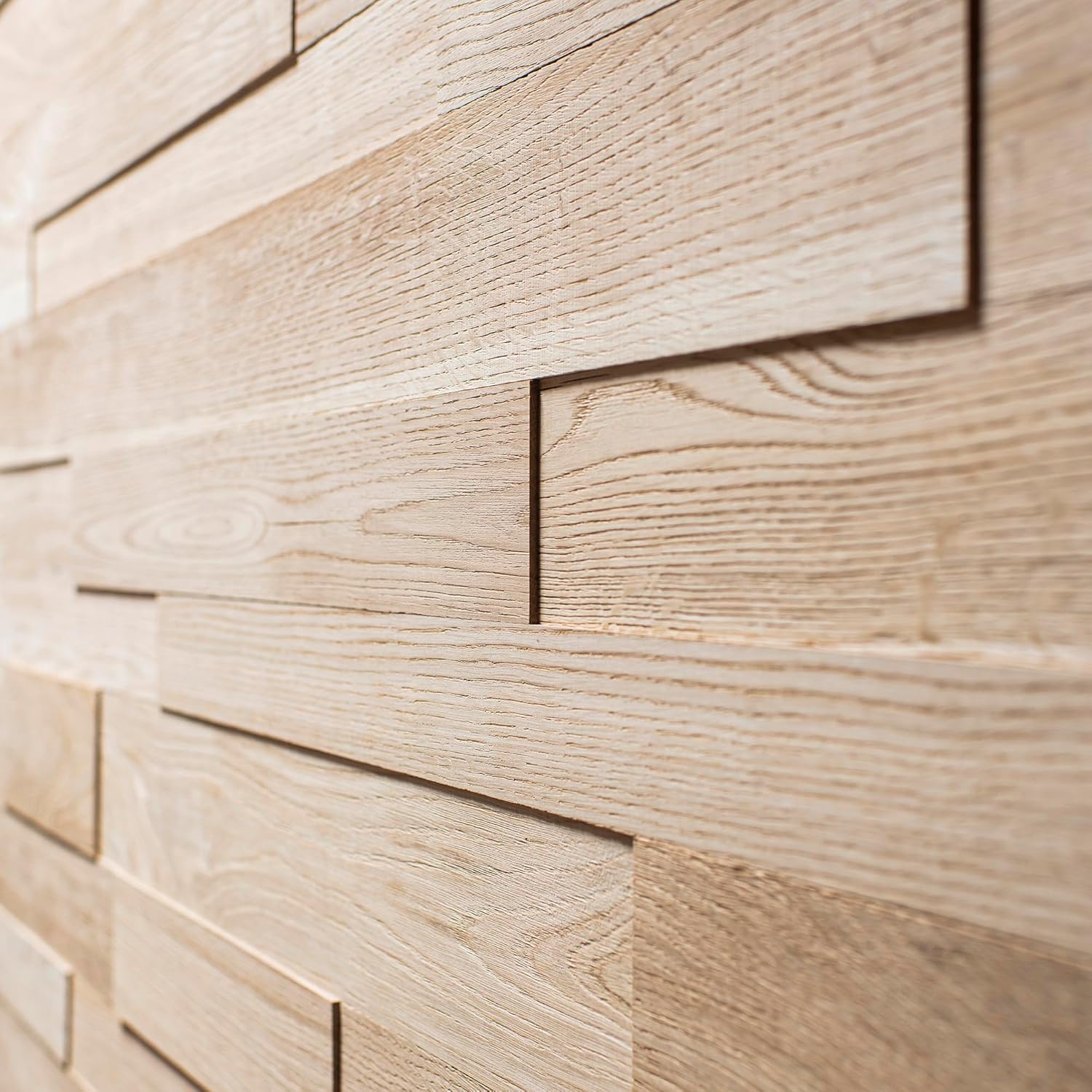
In addition to their decorative role, wall panels can improve durability, insulation, and wall protection. Many homeowners and designers choose them to create depth and character without relying heavily on paint or wallpaper alone.
Understanding the Functional Benefits of Interior Wall Cladding Panels
Wall cladding panels provide several functional advantages beyond aesthetics. They act as protective layers that help shield walls from scratches, stains, and minor impacts.
Some important functional benefits include:
- Improved wall durability
- Better resistance to moisture
- Easier maintenance compared to painted walls
- Enhanced visual texture
- Concealed imperfections on uneven surfaces
Modern interiors increasingly use wall cladding panels because they help create polished spaces while reducing long-term maintenance requirements.
Popular Wall Cladding Materials Used in Contemporary Home Designs
Wall panels are available in various materials, each offering distinct characteristics and visual styles.
PVC Panels
PVC cladding panels are lightweight, moisture-resistant, and easy to maintain. They are commonly used in kitchens, bathrooms, and commercial interiors.
Wood Panels
Wooden wall cladding adds warmth and natural texture. It works particularly well in rustic, Scandinavian, and luxury interiors.
Stone-Inspired Panels
Stone-look surfaces create dramatic visual impact while remaining lighter than natural stone installations.
Many modern interiors also combine wall designs with flooring options such as spc stone plastic floor to achieve a cohesive contemporary appearance.
How Decorative Wall Panels Improve Interior Aesthetics and Texture
Decorative wall panels introduce depth and dimension that plain painted walls often lack. Different textures and patterns allow homeowners to create feature walls that draw attention without overwhelming the room.
Design improvements include:
- Visual contrast between surfaces
- Added warmth and sophistication
- Better balance in large spaces
- Highlighted architectural elements
- Improved lighting reflection depending on texture
Panels also help create focal points in living rooms, bedrooms, and office spaces.
Important Considerations Before Installing Wall Cladding Panels Indoors
Proper planning is essential before installing wall panels indoors. Several environmental and design factors influence the success of the installation.
Important considerations include:
- Wall condition and surface preparation
- Moisture levels in the room
- Lighting conditions
- Panel material compatibility
- Long-term maintenance expectations
Taking these factors into account helps prevent future issues such as panel separation or uneven alignment.
Moisture Resistance and Durability Features of Modern Wall Panels
One reason wall cladding has gained popularity is its ability to withstand moisture and wear better than traditional painted walls.
Moisture-resistant panels are especially useful in:
- Bathrooms
- Laundry rooms
- Kitchens
- Commercial corridors
- Hospitality environments
PVC and SPC-based wall systems typically resist humidity effectively, making them suitable for environments exposed to frequent cleaning or changing temperatures.
Common Interior Design Themes That Use Decorative Cladding Panels
Wall panels adapt well to multiple design styles because of their versatility.
Minimalist Interiors
Smooth, neutral-toned panels support clean architectural lines and uncluttered spaces.
Industrial Designs
Concrete-look or textured panels help create urban-inspired interiors with bold character.
Luxury Interiors
Glossy finishes and geometric patterns add elegance and visual richness.
Some designers combine decorative surfaces with accents such as terrazzo paint uae to create layered visual textures throughout modern interiors.
Cleaning and Maintenance Tips for Long-Lasting Wall Cladding Surfaces
Wall panels require regular maintenance to preserve their appearance and durability over time.
Recommended practices include:
- Dusting surfaces regularly
- Cleaning spills immediately
- Avoiding harsh chemicals
- Using soft cloths for wiping
- Inspecting joints periodically
Proper care helps prevent discoloration and maintains the texture and finish of decorative panels.
How Wall Cladding Can Enhance Acoustic and Thermal Performance
Some wall cladding materials contribute to improved indoor comfort by enhancing insulation and sound absorption.
Acoustic advantages may include:
- Reduced echo in large rooms
- Improved sound control in offices
- Better privacy between spaces
Thermal benefits can include slight insulation improvements that help stabilize indoor temperatures.
These features make wall panels practical as well as decorative.
Conclusion
Wall cladding panels continue to shape modern interior design because they combine functionality with visual sophistication. Their ability to improve durability, texture, and overall atmosphere makes them suitable for both residential and commercial spaces.
With proper material selection and maintenance, wall panels can remain stylish and functional for many years while adapting to evolving interior trends.
FAQs
What are wall cladding panels used for indoors?
Wall cladding panels are used to improve aesthetics, protect wall surfaces, and add texture to interior spaces.
Which materials are commonly used for wall cladding?
PVC, wood, MDF, stone-look composites, and SPC materials are commonly used for wall cladding.
Are wall cladding panels easy to maintain?
Yes, most wall panels are easy to clean and require only routine dusting and gentle wiping.
Can decorative wall panels improve room insulation?
Some wall panel materials may help improve acoustic comfort and provide limited thermal insulation benefits.
What design styles work best with wall cladding panels?
Minimalist, industrial, rustic, Scandinavian, and luxury interiors commonly incorporate wall cladding designs.