
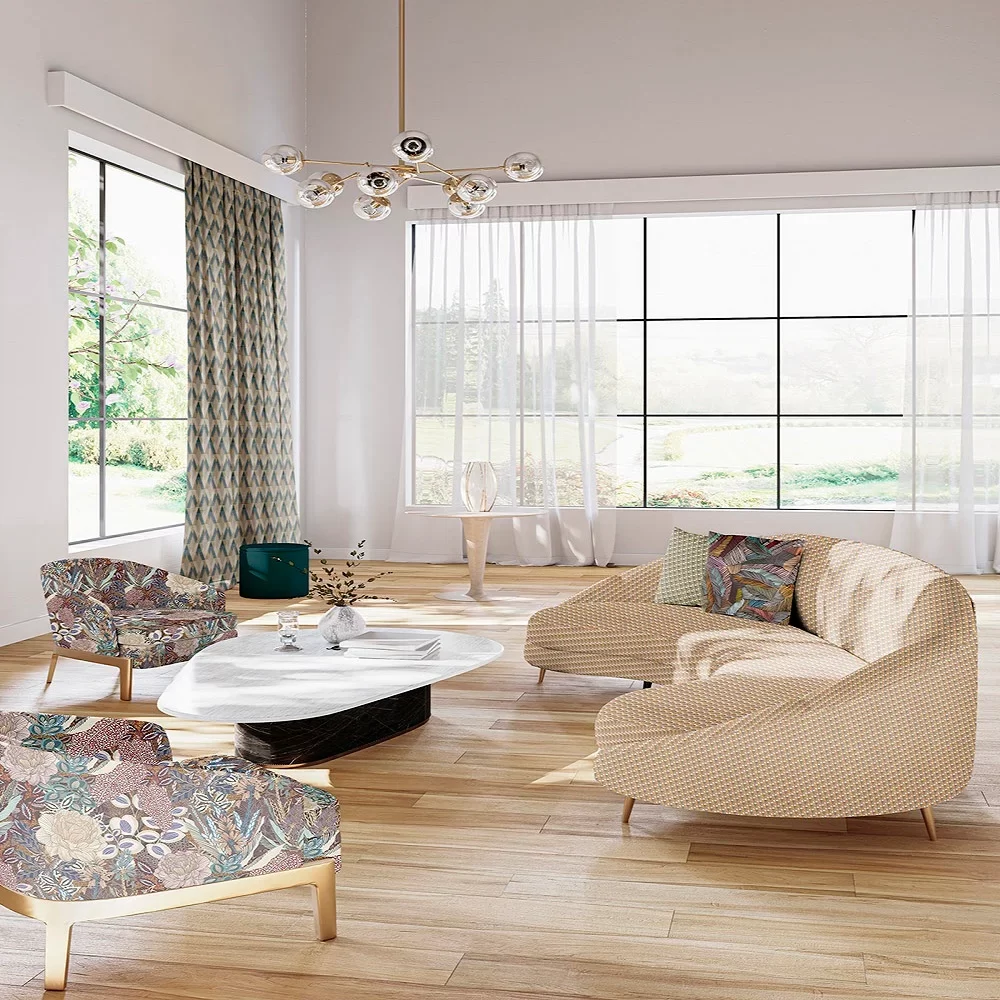
Furniture plays a central role in shaping the comfort and appearance of any interior space. Over time, even high-quality sofas, chairs, and specialty pieces begin to show signs of wear. Rather than replacing them entirely, many homeowners and businesses choose upholstery restoration to renew both function and aesthetics. Upholstery involves repairing frames, replacing padding, and installing new fabric to extend furniture life.
Understanding how upholstery services work—especially in regions with unique climate conditions—helps property owners make informed decisions. From residential sofas to commercial seating and even game tables, professional upholstery restores structure, enhances durability, and refreshes style without altering the core furniture design.
What abu dhabi upholstery includes in residential and commercial furniture restoration
When discussing services like abu dhabi upholstery, it refers to the comprehensive process of renewing furniture through structural repairs, padding replacement, and fabric installation. Upholstery is not limited to simply changing fabric—it involves multiple technical steps to ensure durability and comfort.
Residential upholstery commonly includes:
- Sofas and sectional couches
- Armchairs and recliners
- Dining chairs and benches
- Headboards and bed frames
Commercial upholstery often covers:
- Office seating
- Restaurant booths
- Hotel lobby furniture
- Waiting room chairs
The process typically begins with removing old fabric and padding. Technicians then inspect the internal frame for cracks, loose joints, or weakened supports. Damaged components are repaired before new cushioning and fabric are applied. This layered approach ensures both visual improvement and structural reinforcement.
Materials and craftsmanship standards followed by abu dhabi upholstery professionals
Professional upholsterers follow detailed craftsmanship standards to ensure long-lasting results. The materials used play a significant role in performance, particularly in climates with high heat and humidity.
Common upholstery materials include:
- High-density foam for improved seat resilience
- Polyester or cotton batting for smooth cushioning
- Hardwood reinforcements for structural support
- Durable upholstery textiles designed for heavy use
Craftsmanship involves precision cutting, tight stitching, and proper tensioning of fabric to prevent sagging. Skilled professionals ensure seams align properly and patterns remain symmetrical across cushions. Attention to detail during installation prevents wrinkles, uneven surfaces, and premature wear.
How billiard repair near me services restore pool tables and felt surfaces
Specialized upholstery skills extend beyond sofas and chairs. Services such as billiard repair near me focus on restoring pool tables, which require precise craftsmanship to maintain accurate gameplay.
Pool table restoration involves:
- Removing worn felt carefully without damaging the surface
- Inspecting slate alignment and structural stability
- Replacing cushions and rail rubber if necessary
- Installing new felt with exact tension and smoothness
The felt must be stretched evenly to avoid wrinkles that could affect ball movement. Even minor inconsistencies can change the speed and direction of play. In addition, technicians check pocket integrity and ensure the frame remains level. This combination of upholstery expertise and mechanical precision ensures the table performs correctly.
Differences between couch upholstery fabric types and their durability levels
Choosing the right material is critical for long-term satisfaction. When selecting couch upholstery fabric, durability, texture, and maintenance requirements should all be considered.
Common fabric categories include:
- Natural fabrics such as cotton and linen, known for breathability but moderate durability
- Synthetic fabrics like polyester and microfiber, offering stain resistance and longevity
- Leather and faux leather, valued for easy cleaning and modern aesthetics
- Performance fabrics, engineered to resist fading, moisture, and heavy wear
Durability is often measured by rub counts, indicating how well the fabric withstands repeated friction. Homes with children or pets typically benefit from stain-resistant synthetic blends. For formal settings, textured or woven fabrics may provide an elegant finish while maintaining resilience.
Selecting appropriate fabric ensures that the upholstery project remains visually appealing and structurally sound over time.
The process of stripping, padding, and reupholstering worn furniture pieces
Reupholstery is a multi-stage process that restores furniture from the inside out. Each stage contributes to both comfort and longevity.
1. Stripping the Old Material
The technician removes existing fabric, staples, and padding. This step exposes the internal frame and springs for inspection.
2. Structural Repairs
Loose joints are tightened, cracked wood is reinforced, and weakened supports are replaced.
3. Spring and Cushion Evaluation
Springs are retied or replaced if sagging. Cushion cores may be upgraded with high-density foam.
4. Padding Installation
Layers of batting and foam are applied to create smooth contours and comfort.
5. Fabric Application
The new fabric is measured, cut, and stretched carefully before being secured with precision stapling.
6. Final Finishing
Buttons, trims, and decorative details are added to match the desired aesthetic.
This systematic approach ensures the finished piece feels stable, comfortable, and visually refreshed.
How climate conditions influence fabric selection and maintenance practices
Climate significantly affects upholstery performance. In warmer regions, prolonged exposure to sunlight can cause fading and fabric weakening. Humidity may also affect wooden frames and padding materials.
To address these challenges:
- UV-resistant fabrics help reduce fading.
- Breathable textiles prevent moisture buildup.
- Protective treatments add stain resistance.
- Regular cleaning prevents dust accumulation.
Air conditioning and proper ventilation can further extend upholstery lifespan. Selecting materials suited to environmental conditions ensures long-term durability and reduces maintenance concerns.
Benefits of professional upholstery compared to replacing old furniture
Restoring furniture instead of replacing it offers multiple advantages beyond cost considerations.
Key benefits include:
- Preserving sentimental value of cherished pieces
- Reducing environmental waste through reuse
- Maintaining structural integrity of well-built frames
- Customizing fabric and design to suit updated interiors
Many older furniture pieces feature stronger hardwood frames compared to some modern mass-produced items. Reupholstery allows these durable frames to continue serving their purpose while refreshing the outer appearance.
Maintenance tips to preserve newly upholstered sofas and chairs
Proper care ensures that newly upholstered furniture retains its appearance and comfort.
Routine Cleaning
- Vacuum cushions weekly to remove dust.
- Spot clean spills immediately using appropriate solutions.
- Rotate cushions regularly to distribute wear evenly.
Protective Measures
- Keep furniture away from direct sunlight.
- Use armrest covers in high-traffic areas.
- Avoid placing sharp objects on fabric surfaces.
Structural Care
- Avoid excessive weight on armrests.
- Tighten visible screws or legs periodically.
- Ensure the furniture rests on even flooring.
Consistent maintenance reduces stress on fabric and internal components, extending the overall lifespan of the piece.
Conclusion
Upholstery restoration is a detailed craft that combines structural repair, material expertise, and precision installation. Whether renewing residential seating or restoring specialized pieces like pool tables, professional upholstery ensures furniture remains functional and visually appealing.
By understanding materials, processes, and environmental considerations, property owners can make informed decisions about restoring rather than replacing their furniture. With proper care and appropriate fabric selection, reupholstered pieces can provide years of continued comfort and performance.
FAQs
1. What types of furniture can be reupholstered?
Most furniture with a solid internal frame can be reupholstered, including sofas, chairs, ottomans, headboards, dining seats, and even certain specialty items like benches or booths.
2. How do I choose the right fabric for heavy-use sofas?
Look for fabrics with high durability ratings, stain resistance, and strong weave construction. Synthetic blends and performance fabrics are often ideal for high-traffic households.
3. Is reupholstery environmentally friendly?
Yes, reupholstery reduces waste by extending the life of existing furniture rather than sending it to landfills. It also conserves resources by reusing structural components.
4. How long does a typical upholstery project take?
Project timelines vary depending on complexity and size. Simple chair projects may take a few days, while larger sofas or detailed restorations may require more time.
5. What is the difference between reupholstery and furniture repair?
Furniture repair typically focuses on fixing structural issues such as broken legs or loose joints. Reupholstery includes structural repair but also replaces padding and fabric to renew the furniture’s overall appearance and comfort.