
Cabinet and wardrobe renovation plays an important role in improving home functionality, organization, and long-term durability. Many homeowners choose renovation instead of full replacement because it allows them to upgrade structure, design, and storage efficiency while maintaining the existing framework. Understanding how the process works helps you make informed decisions about materials, planning, and execution.
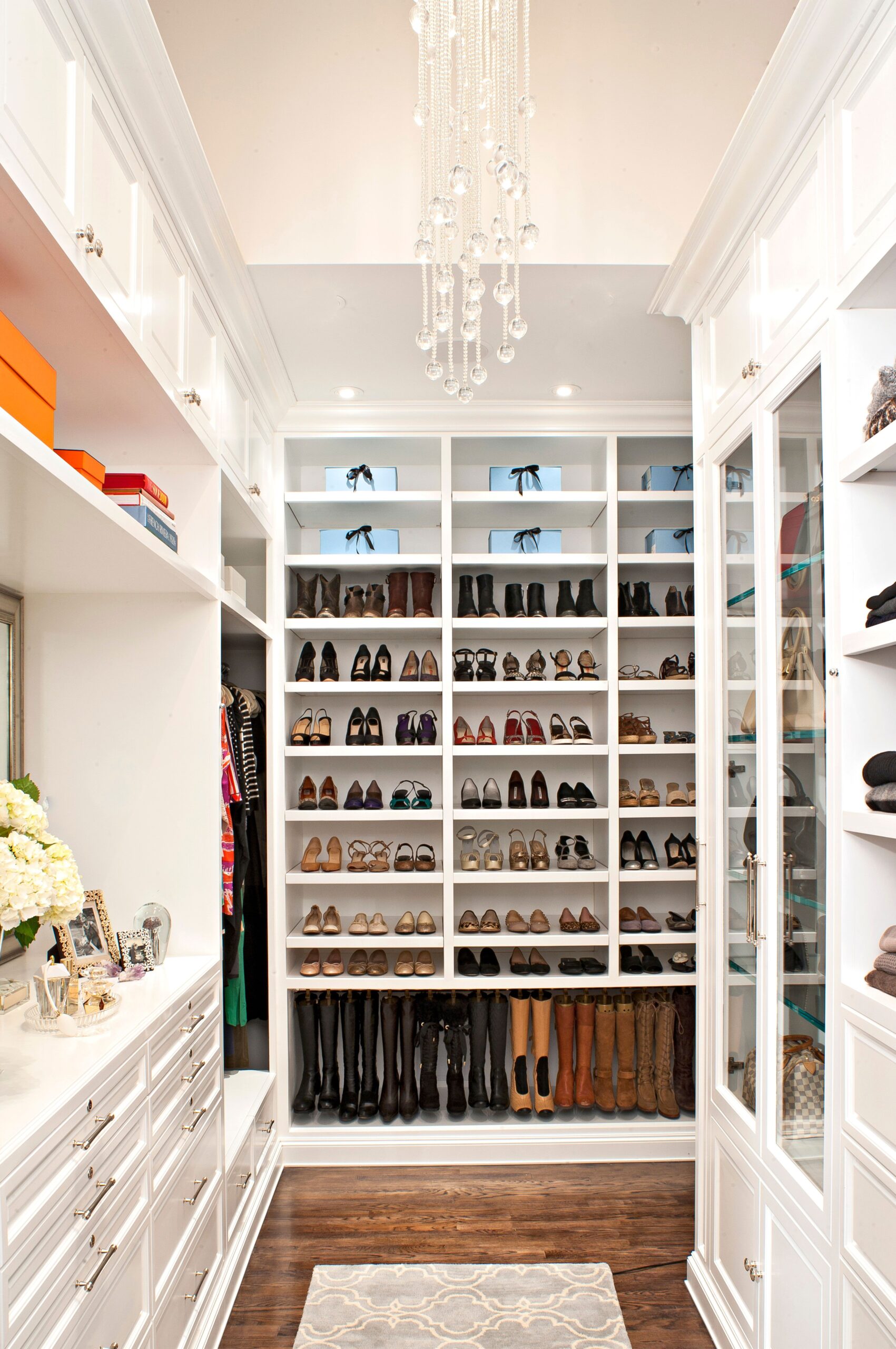
Professional renovation services often combine structural adjustments, surface improvements, and internal redesign. In some cases, projects may also involve related improvements such as adjustments to doors or hardware systems. For example, structural alignment and finishing details can be better understood through services like door repair, which support overall functionality and smooth operation.
This guide explains the complete process, materials used, common problems, and the differences between repair and full renovation.
Understanding the Complete Process of Cabinet and Wardrobe Renovation Projects
Cabinet and wardrobe renovation is a structured process that focuses on improving both appearance and functionality. It begins with assessment and ends with final installation and quality checks. The goal is to enhance storage performance, strengthen structure, and modernize the design.
A typical renovation project includes the following stages:
- Initial inspection of structure and materials
- Measurement and space evaluation
- Design planning and layout improvement
- Material selection and preparation
- Structural adjustments and reinforcement
- Surface finishing and installation
- Final inspection and adjustments
Renovation services may also include replacing damaged components, upgrading internal compartments, or improving sliding systems. In some cases, projects can be coordinated with professionals offering cabinet wardrobe renovation services to ensure a complete structural and design transformation.
This organized approach ensures durability, efficiency, and alignment with modern interior standards.
Key Materials and Structural Improvements Used in Wardrobe Upgrades
The materials selected during renovation significantly impact durability and performance. Common materials include engineered wood, plywood, MDF panels, and laminated surfaces. Each material offers different benefits depending on budget, environment, and usage requirements.
Structural improvements often focus on:
- Reinforcing shelves and partitions
- Replacing damaged panels
- Improving hinge alignment
- Upgrading drawer mechanisms
- Enhancing load-bearing capacity
In addition to structural elements, surface finishes also play a major role. High-quality finishes improve resistance to moisture, scratches, and daily wear. When selecting surface materials, it is important to consider long-term durability and compatibility with existing designs.
Sometimes, renovation projects may require specialized material sourcing, including coordination with upholstery fabric suppliers in dubai for integrated interior projects that combine cabinetry with soft furnishings. Proper material selection ensures a cohesive and functional result.
How Design Planning Impacts Functionality and Storage Optimization
Design planning is one of the most important stages in renovation. A well-planned layout improves accessibility, maximizes storage space, and enhances usability. Without proper planning, even high-quality materials may not deliver optimal performance.
Effective design planning includes:
- Measuring available space accurately
- Identifying storage needs
- Dividing internal compartments efficiently
- Adjusting shelf heights
- Incorporating pull-out systems
- Ensuring proper ventilation
Modern design approaches focus on customization rather than standard layouts. Custom internal configurations help users organize clothes, accessories, and household items more efficiently. Strategic planning also reduces clutter and improves daily convenience.
In some cases, renovation projects are combined with additional improvements such as finishing adjustments supported by services related to furniture repair in dubai. This ensures that the entire furniture system works harmoniously within the space.
Proper planning directly influences long-term satisfaction and usability.
Common Problems That Require Professional Renovation Solutions
Many cabinets and wardrobes require renovation due to structural or functional issues. Over time, wear and tear can affect performance and appearance.
Common problems include:
- Warped panels due to moisture
- Loose hinges or broken joints
- Damaged shelves
- Misaligned doors
- Outdated internal layouts
- Scratches and surface deterioration
Professional renovation addresses these issues systematically. Instead of replacing the entire unit, targeted repairs and improvements restore functionality while preserving the structure.
Sometimes, problems extend beyond cabinets and may include door alignment issues affecting room functionality. In such situations, integrating solutions like upholstery fabric suppliers in dubai for combined interior enhancements can contribute to a consistent aesthetic and improved comfort in connected spaces.
Addressing problems early prevents further damage and extends furniture lifespan.
Differences Between Repair, Refacing, and Full Renovation Explained
Understanding the difference between repair, refacing, and full renovation helps homeowners choose the right solution based on condition and goals.
Repair
Repair focuses on fixing specific damaged parts. Examples include replacing hinges, tightening screws, or fixing broken shelves. It is suitable when the structure remains stable.
Refacing
Refacing involves replacing external surfaces such as doors, panels, or finishes while keeping the internal structure intact. This improves appearance without altering the core framework.
Full Renovation
Full renovation includes structural modifications, internal redesign, material upgrades, and comprehensive improvements. It is the most extensive option and is ideal for outdated or heavily damaged units.
Choosing the correct approach depends on:
- Structural condition
- Budget considerations
- Storage requirements
- Design preferences
- Long-term usage plans
Each method serves a different purpose, but full renovation provides the most comprehensive transformation.
Step-by-Step Overview of Assessment, Design, and Execution Stages
A structured renovation process ensures efficiency and quality results. Below is a detailed step-by-step overview:
Step 1: Initial Assessment
Professionals inspect the cabinet or wardrobe to evaluate structural integrity, damage levels, and functional limitations.
Step 2: Measurement and Planning
Accurate measurements are taken to design improved layouts and ensure proper fit within the available space.
Step 3: Material Selection
Appropriate materials are selected based on durability, design compatibility, and environmental conditions.
Step 4: Structural Modification
Damaged components are replaced, and reinforcements are added where necessary.
Step 5: Internal Reconfiguration
Shelves, drawers, and compartments are adjusted or redesigned for improved storage efficiency.
Step 6: Surface Finishing
Final touches are applied, including painting, laminating, or polishing to enhance appearance and protection.
Step 7: Final Inspection
A thorough review ensures alignment, stability, and smooth functionality before project completion.
This systematic process guarantees that renovation meets both functional and aesthetic expectations.
Conclusion
Cabinet and wardrobe renovation services provide an effective way to improve storage efficiency, structural durability, and interior design without complete replacement. Through careful assessment, material selection, and professional execution, renovation transforms outdated units into modern, functional storage systems.
Understanding the differences between repair, refacing, and full renovation allows homeowners to choose the most suitable solution. With proper planning and quality workmanship, renovation enhances both performance and long-term value.
FAQs
- What is included in cabinet and wardrobe renovation services?
They typically include inspection, structural repairs, design improvements, material upgrades, and finishing work. - How does wardrobe renovation improve home organization?
It optimizes internal layouts, adds compartments, and improves accessibility for better storage management. - What materials are commonly used in cabinet upgrades?
Common materials include plywood, MDF, engineered wood, laminates, and durable hardware components. - How long does a typical renovation process take?
The duration depends on project size, structural condition, and design complexity. - What is the difference between repair and full renovation?
Repair fixes specific issues, while full renovation involves comprehensive structural and design improvements. - How can renovation increase storage efficiency?
By redesigning internal layouts, adding shelves, and optimizing space utilization for better organization.