
Leather upholstery has remained a timeless design choice in both classic and contemporary interiors. Its smooth texture, durability, and elegant appearance make it popular for sofas, chairs, bed frames, and decorative accents. Whether used in residential or commercial spaces, leather upholstery contributes sophistication and long-lasting functionality.
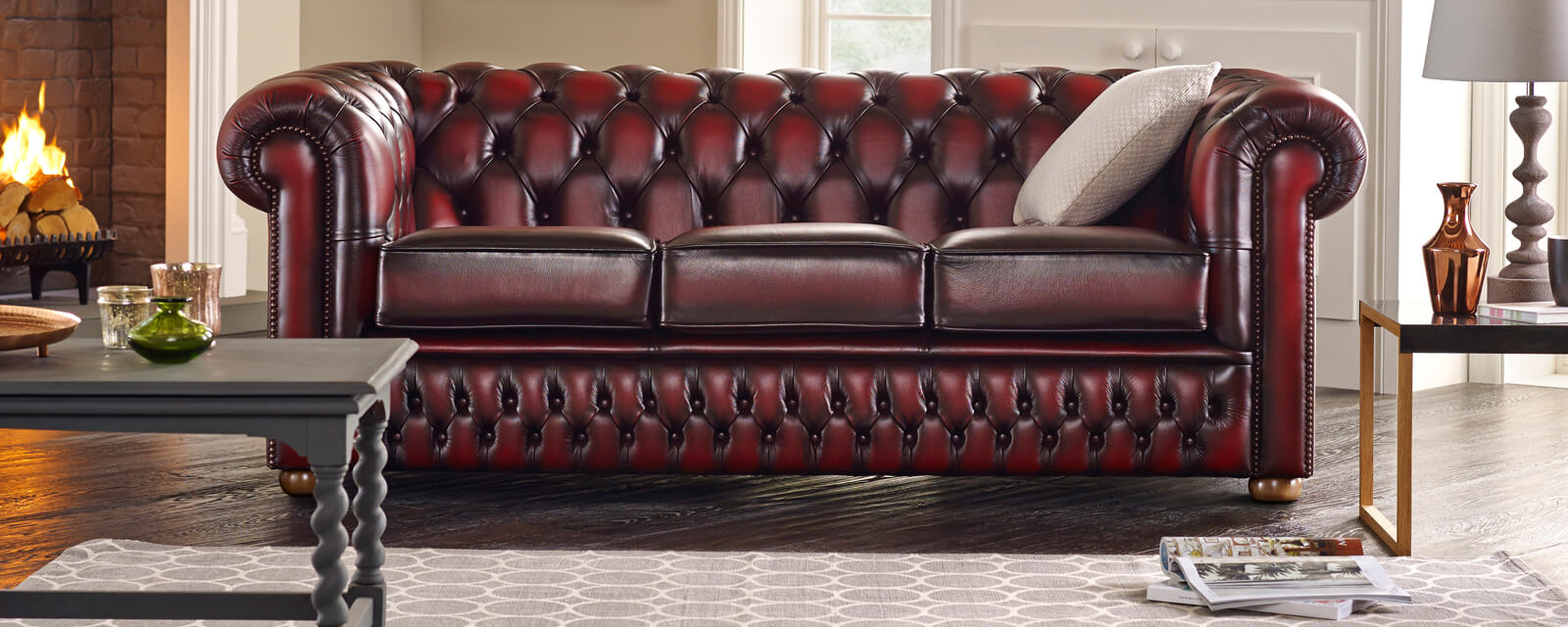
Many homeowners appreciate leather because it combines luxury with practicality. However, maintaining leather furniture properly is essential for preserving its appearance and preventing premature damage. Understanding leather types, maintenance techniques, and interior styling methods helps homeowners make informed furniture decisions.
Why Leather Upholstery Continues to Be Popular in Luxury Interior Spaces
Leather furniture has a strong visual presence that naturally elevates interior spaces.
Reasons for its popularity include:
- Elegant appearance
- Long-term durability
- Timeless design flexibility
- Comfortable texture
- Easy surface cleaning
Leather can complement many interior themes, including modern, industrial, classic, and minimalist styles.
People researching leather upholstery often prioritize durability and sophistication when selecting furniture materials.
Understanding the Difference Between Genuine and Synthetic Leather Materials
Not all leather materials offer the same performance or appearance.
Genuine Leather
- Made from natural animal hides
- Develops a rich patina over time
- Highly durable with proper care
Synthetic Leather
- Manufactured using artificial materials
- Usually more affordable
- Easier to maintain in some cases
Each option has advantages depending on lifestyle, climate, and maintenance preferences.
How Leather Upholstery Responds to Heat, Moisture, and Daily Usage Conditions
Environmental conditions significantly affect leather furniture.
Heat Exposure
Excessive heat may dry out leather surfaces and cause cracking.
Moisture Levels
High humidity can encourage mold growth if ventilation is poor.
Daily Usage
Frequent friction gradually affects softness and texture.
Balanced indoor conditions help leather maintain its quality over time.
Cleaning and Conditioning Techniques That Protect Leather Furniture Surfaces
Leather requires regular maintenance to remain attractive and flexible.
Recommended maintenance habits include:
- Dusting surfaces weekly
- Using leather-safe cleaning products
- Avoiding excessive water
- Conditioning leather periodically
- Keeping furniture away from direct sunlight
These practices help prevent fading, stiffness, and cracking.
Common Scratches and Damage Problems Found in Leather Upholstered Furniture
Leather furniture may experience various forms of wear over time.
Common problems include:
- Surface scratches
- Color fading
- Dryness and cracking
- Wrinkling
- Stains from spills
Protective care and prompt cleaning reduce the risk of permanent damage.
How Professional Carpentry Supports High-Quality Upholstered Furniture Designs
Furniture quality depends heavily on structural strength.
Professionals involved in dubai carpenter work projects often focus on creating durable wooden frames that support leather upholstery effectively.
Strong carpentry improves:
- Furniture stability
- Weight distribution
- Long-term durability
- Overall comfort
Well-constructed frames significantly extend furniture lifespan.
Why Sofa Repair Services Help Extend Furniture Lifespan and Sustainability Goals
Repairing damaged furniture often reduces waste and supports sustainability.
Restoration services may include:
- Cushion replacement
- Frame reinforcement
- Surface refinishing
- Stitching repair
Many homeowners exploring sofa repair in abu dhabi solutions aim to preserve quality furniture instead of replacing it entirely.
Furniture repair also helps maintain sentimental or antique pieces.
Interior Styling Ideas That Work Well With Modern Leather Upholstered Furniture
Leather upholstery pairs well with numerous interior design elements.
Popular combinations include:
- Wooden flooring and neutral walls
- Metallic decorative accents
- Natural lighting
- Soft fabric cushions
- Indoor plants
Balanced styling prevents leather furniture from appearing too cold or formal.
Conclusion
Leather upholstery remains a highly valued interior design feature because of its durability, elegance, and versatility. With proper maintenance and thoughtful styling, leather furniture can maintain its beauty for many years. Understanding environmental effects, cleaning techniques, and structural quality helps homeowners preserve leather furniture successfully.
FAQs
Is leather upholstery suitable for family homes?
Yes, leather is durable and relatively easy to clean, making it practical for many households.
How can leather furniture be protected from cracking?
Regular conditioning and avoiding excessive sunlight help prevent cracking.
What are the disadvantages of leather upholstery?
Leather may scratch easily and can feel warm in hot climates.
How often should leather furniture be conditioned?
Conditioning every several months is generally recommended.
Which interior styles work best with leather furniture?
Modern, industrial, minimalist, and classic interiors often complement leather furniture well.