
A sunbed is a versatile furniture piece designed for relaxation, comfort, and functional use in both indoor and outdoor environments. It can serve as a lounging bed in living spaces, patios, gardens, or poolside areas. Understanding its structure, materials, and applications helps homeowners make informed decisions about integrating it into their spaces.
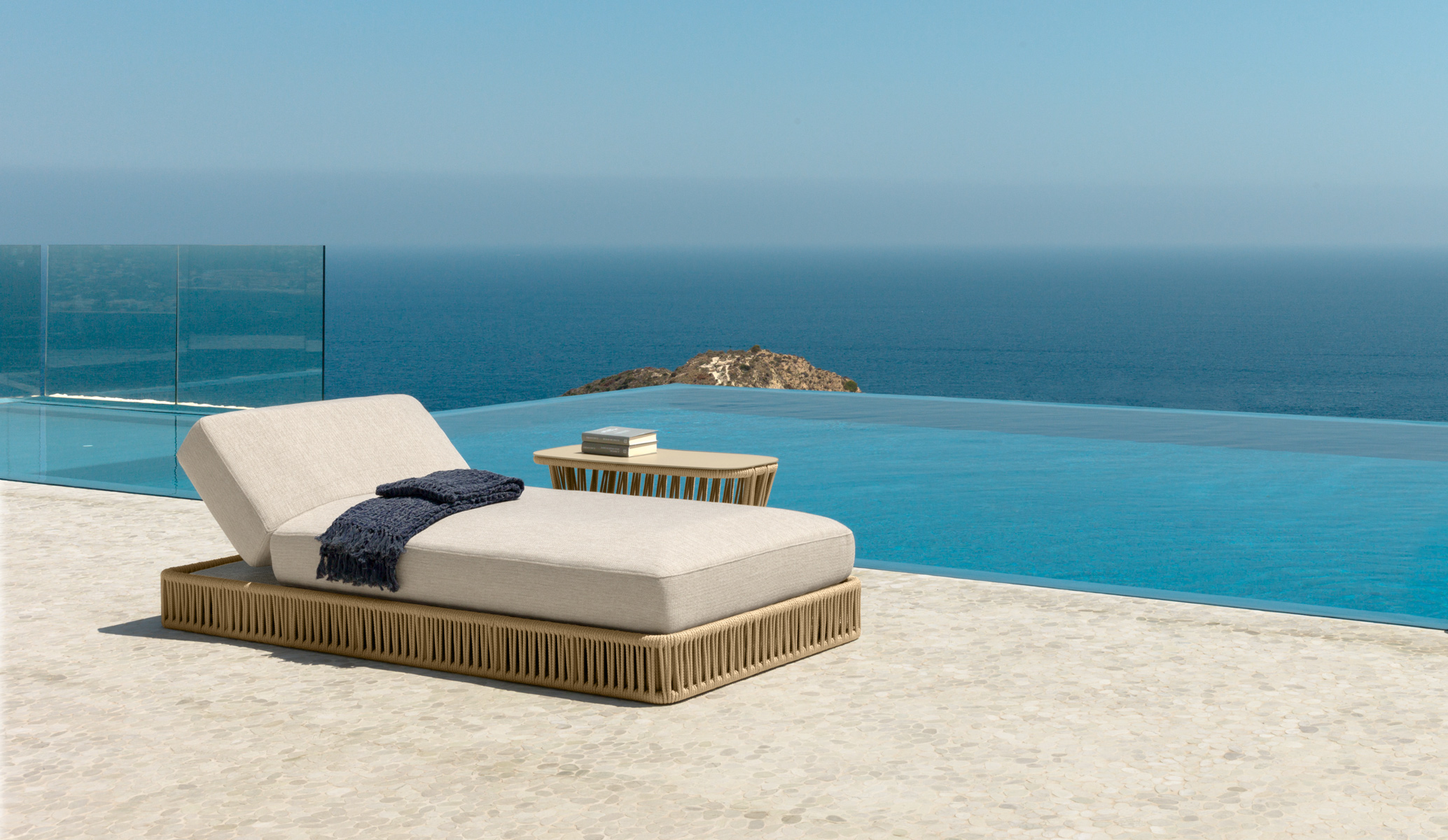
Sunbeds are commonly chosen for their ability to combine comfort with practical design. They can be customized in size, style, and material depending on the intended use. Whether for residential or commercial settings, sunbeds provide a dedicated space for resting, reading, or leisure activities. In some cases, homeowners exploring furniture flexibility also consider services such as dubai rent furniture when temporary furnishing solutions are needed.
This guide explains what a sunbed is, its features, design considerations, maintenance needs, and practical applications to help you understand its full functionality.
Understanding What a Sunbed Is and How It Is Commonly Used
A sunbed is typically a long, cushioned seating structure designed for reclining or lying down comfortably. Unlike traditional beds, sunbeds are often crafted for multi-purpose use. They may be placed indoors in living rooms or outdoors in terraces and gardens.
Common uses include:
- Relaxation in residential homes
- Poolside lounging in villas or resorts
- Balcony seating in apartments
- Reading or casual resting areas
- Guest accommodation in flexible spaces
Some homeowners integrate a sunbed into larger interior designs, especially when planning coordinated furniture layouts such as storage systems like kitchen cabinets that complement overall room functionality.
Sunbeds can also function as statement pieces. Their design may include modern minimal frames, classic wooden bases, or upholstered structures. The versatility allows them to fit various interior themes without overwhelming the space.
Key Materials Used in Sunbed Frames and Mattress Construction
The durability and comfort of a sunbed largely depend on its materials. High-quality construction ensures stability, safety, and long-term performance.
Frame Materials
- Solid wood for traditional aesthetics
- Metal frames for modern strength
- Treated materials for outdoor resistance
- Reinforced joints for structural stability
Metal components are sometimes integrated for additional support, similar to structural elements used in furniture such as table legs dubai, which demonstrate how durable materials enhance stability.
Cushion and Upholstery Materials
- High-density foam for comfort and support
- Weather-resistant fabric for outdoor use
- Breathable textiles for heat management
- Leather or synthetic coverings for indoor elegance
In some interior design setups, upholstered furniture like a leather couch dubai reflects how premium materials improve comfort and longevity. While sunbeds may not always use the same materials, similar principles of durability and craftsmanship apply.
Material selection should consider:
- Climate conditions
- Indoor or outdoor placement
- Frequency of use
- Cleaning requirements
Choosing the right materials ensures comfort while extending the product’s lifespan.
Different Types of Sunbeds for Indoor and Outdoor Spaces
Sunbeds come in various designs depending on their intended location and purpose.
Indoor Sunbeds
Indoor models are often upholstered and designed for aesthetic appeal. They may function as:
- Lounge seating in living rooms
- Reading corners in bedrooms
- Multi-functional guest furniture
- Decorative resting areas
These versions typically prioritize style and comfort over weather resistance.
Outdoor Sunbeds
Outdoor models are constructed with:
- Weather-resistant frames
- UV-protected fabrics
- Water-resistant cushions
- Rust-proof hardware
These features allow them to withstand sunlight, humidity, and temperature changes. Outdoor sunbeds are commonly used near pools, in gardens, or on terraces.
Convertible Designs
Some sunbeds include adjustable backrests or modular components. These allow users to:
- Change reclining angles
- Convert seating positions
- Adapt to different comfort needs
Convertible models are especially practical in compact living environments.
Health and Comfort Considerations When Using a Sunbed Regularly
Comfort is one of the primary reasons people choose sunbeds. However, ergonomic factors should also be considered.
Support and Posture
Proper cushioning helps:
- Maintain spinal alignment
- Reduce pressure points
- Support long-duration relaxation
High-density foam and ergonomic designs enhance overall comfort.
Airflow and Heat Management
In warm climates, breathable materials help prevent overheating. This is particularly important for outdoor sunbeds exposed to direct sunlight.
Safe Usage Practices
To maximize safety:
- Ensure the frame is stable
- Avoid placing on uneven surfaces
- Keep cushions clean and dry
- Regularly inspect joints and fasteners
A well-maintained sunbed provides consistent comfort while minimizing risks.
How to Measure Space Before Adding a Sunbed to Your Room
Space planning is essential before purchasing or installing a sunbed.
Step 1: Measure Available Area
Measure:
- Length of the intended space
- Width of the placement area
- Clearance around the furniture
Ensure adequate walking space.
Step 2: Consider Room Layout
Evaluate:
- Proximity to windows
- Access to doors
- Compatibility with existing furniture
- Visual balance within the room
Step 3: Check Ceiling Height (If Applicable)
In compact spaces, vertical clearance may matter, especially if the sunbed includes a canopy or elevated structure.
Proper measurement prevents overcrowding and ensures smooth movement within the room.
Maintenance Tips to Extend the Lifespan of a Sunbed
Regular maintenance keeps a sunbed in good condition for years.
Cleaning Guidelines
- Vacuum fabric surfaces weekly
- Wipe frames with appropriate cleaners
- Avoid harsh chemicals
- Dry cushions thoroughly after exposure to moisture
Inspection Routine
Check:
- Screws and joints
- Cushion integrity
- Frame stability
- Fabric wear and tear
Storage Recommendations
For outdoor models:
- Use protective covers
- Store cushions indoors during extreme weather
- Avoid prolonged direct exposure to heavy rain
Proper care significantly extends durability and maintains comfort.
Short Conclusion
A sunbed is a multifunctional furniture piece that combines comfort, flexibility, and design versatility. Whether used indoors or outdoors, it serves as a dedicated relaxation area adaptable to various environments. By understanding materials, types, comfort factors, and maintenance practices, homeowners can make informed decisions about incorporating a sunbed into their living spaces.
Thoughtful space planning and quality construction ensure long-term usability. When selected carefully, a sunbed enhances both functionality and aesthetic appeal in modern interiors.
FAQs
- What is a sunbed and how does it differ from a regular bed?
A sunbed is primarily designed for lounging and relaxation, while a regular bed is intended mainly for sleeping. Sunbeds often have versatile designs suitable for indoor or outdoor use. - Where can a sunbed be used inside the home?
It can be placed in living rooms, bedrooms, reading corners, balconies, or entertainment areas depending on available space. - What materials are best for durable sunbed frames?
Solid wood, treated materials, and metal frames are commonly used for strength and longevity, especially in outdoor environments. - How do you clean and maintain a sunbed properly?
Regular vacuuming, gentle cleaning of frames, proper drying, and routine inspection of joints help maintain condition and durability. - What factors should be considered before buying a sunbed?
Consider available space, intended use, material quality, comfort level, climate conditions, and overall room design compatibility. - Can a sunbed support long term daily use?
Yes, if it is built with high-quality materials and maintained properly, a sunbed can support regular daily use effectively.